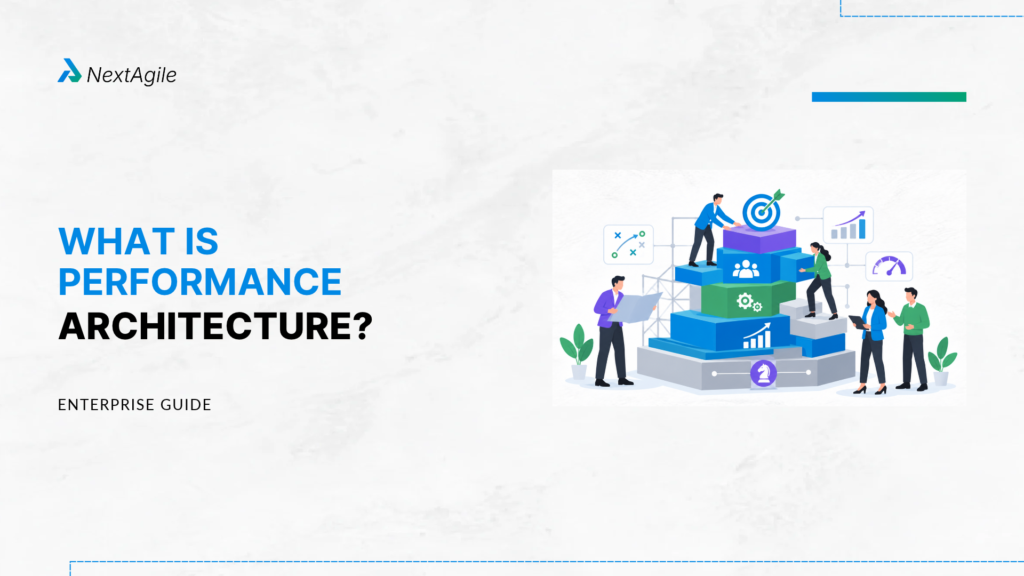
What Is Performance Architecture? A Clear Guide for Enterprise Leaders
In the context of enterprise and human performance, performance architecture is the design of the…
 Skip to content




In the context of enterprise and human performance, performance architecture is the design of the…
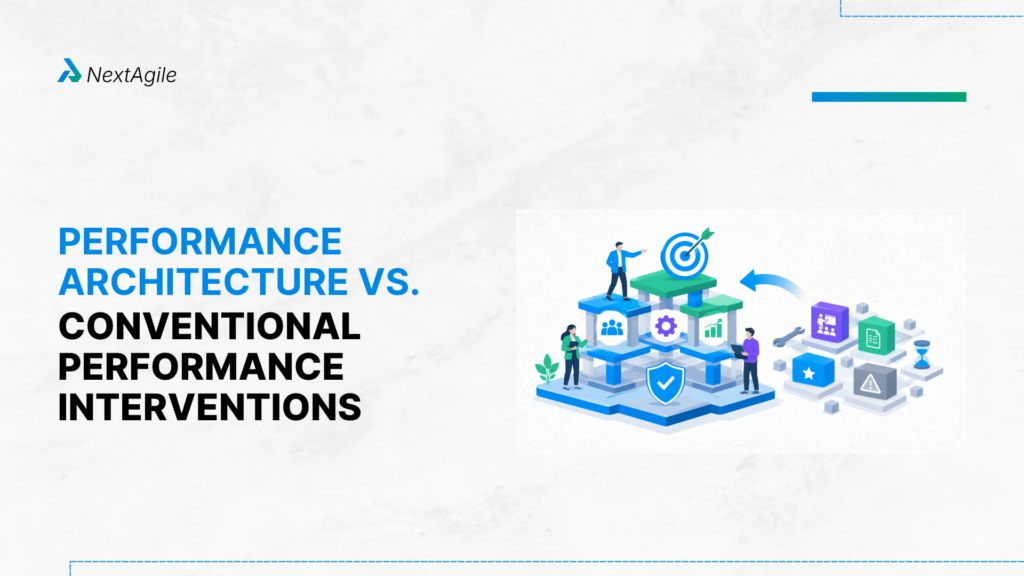
Performance architecture and conventional performance management interventions serve different but complementary purposes. Performance architecture describes…
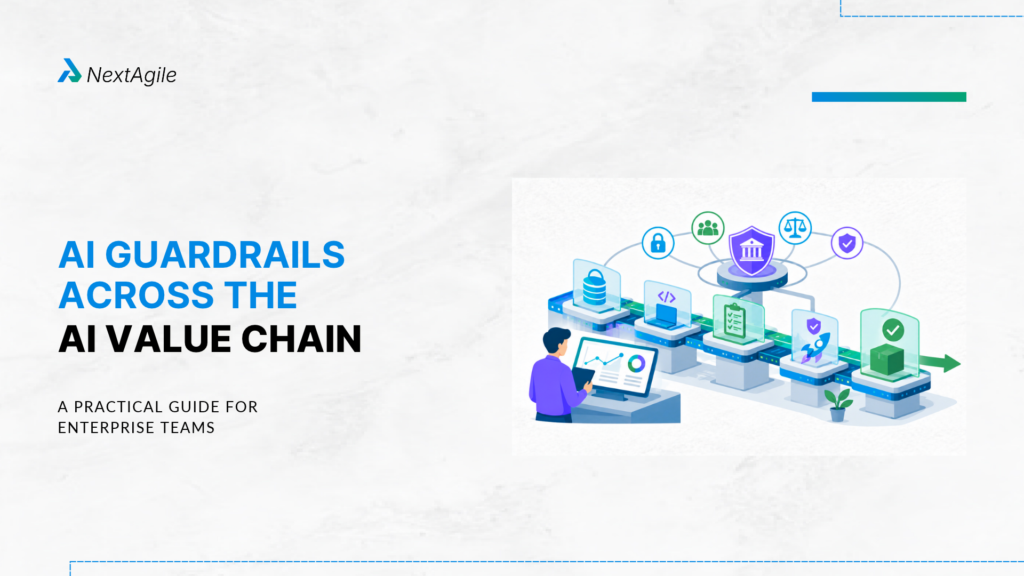
AI guardrails are the technical and procedural controls that limit what an AI system accepts,…
An enterprise may introduce cross-functional teams, product-oriented delivery, and new ways of working while continuing…
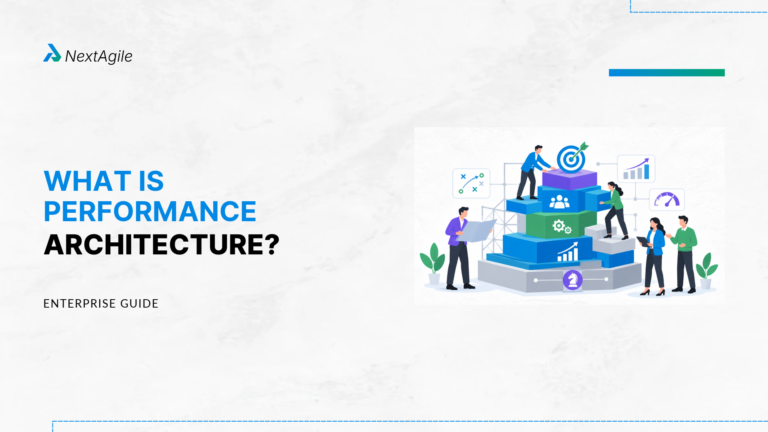
In the context of enterprise and human performance, performance architecture is the design of the organizational systems, operating conditions, and management practices that connect business strategy with how people and teams deliver results. It brings together strategic priorities, goal alignment, decision rights, execution conditions, performance measurement, feedback, capability development, and governance into a coherent system….
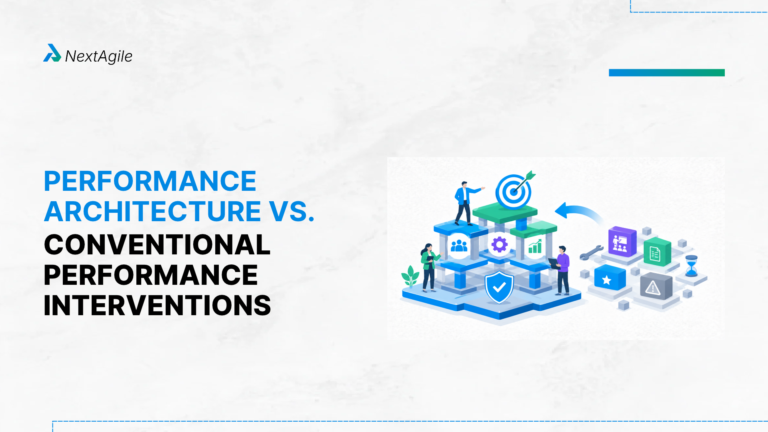
Performance architecture and conventional performance management interventions serve different but complementary purposes. Performance architecture describes the wider organisational system that shapes performance. It connects strategic direction, priorities, goals, execution conditions, performance measurement, feedback, capability, accountability, and course correction. A performance intervention is a deliberate action intended to improve a specific performance condition. Examples include training,…
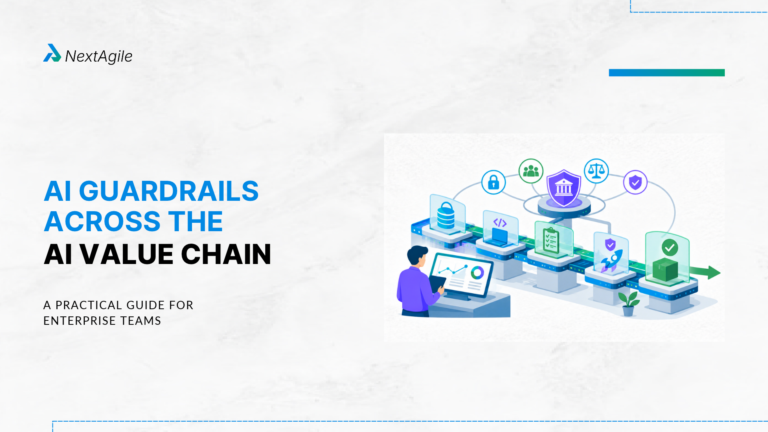
AI guardrails are the technical and procedural controls that limit what an AI system accepts, what it can do and what it returns. Most teams bolt them onto the chatbot at the end. They work better when they are built into every stage of the AI value chain: data, model choice, application design, tool access,…
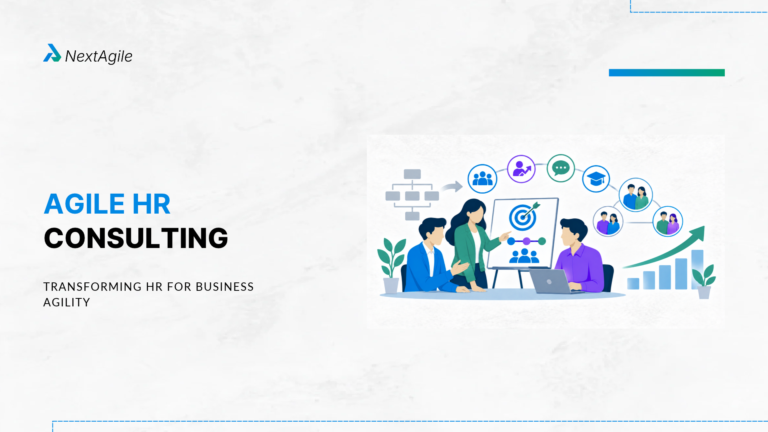
An enterprise may introduce cross-functional teams, product-oriented delivery, and new ways of working while continuing to manage people through performance systems, workforce plans, and organizational structures designed for a different operating model. The resulting contradictions can be difficult to resolve. Teams may be expected to own business outcomes while employees are evaluated against individual functional…
One on one meetings are recurring conversations between a manager and an individual employee. They help managers understand work challenges, remove blockers, provide feedback, discuss career development and strengthen employee ownership. Effective one on one meetings go beyond project updates. They create a structured space to discuss what is affecting performance and what support an…
Design thinking for leaders and teams is a human-centred approach to solving business problems, improving experiences and developing practical solutions through collaboration and experimentation. While leaders establish strategic direction, allocate resources and create an environment for innovation, teams investigate user needs, challenge assumptions, develop ideas and test potential solutions. The distinction is important because successful…
The strongest emotional intelligence training programs for corporates combine a clear assessment, hands-on practice and follow-up after the session. This guide compares ten current options: CCL, Edstellar, Euromatech, Harvard Professional and Executive Development, Korn Ferry, MDI Gurgaon, NextAgile, Six Seconds, UW-Madison Continuing Studies and Vinsys. Key Highlights of Emotional Intelligence Training Programs for Corporate The…
The conflict management training programs most worth shortlisting for corporates come from Center for Creative Leadership, Crucial Learning, Dale Carnegie, Edstellar, Harvard Program on Negotiation, The Knowledge Academy, NextAgile, the University at Buffalo and Vinsys. They differ in length (about 4 hours to 3 days), format, audience and published pricing, so match them to your…
The best psychological safety training programs for corporates pair leader practice with team follow-through and some form of measurement. Ten programs worth comparing in 2026 are from Center for Creative Leadership, Edstellar, JAMS Pathways, LeaderFactor, NextAgile, Psych Safety, Sieger Training India, Tanmay Vora, USC Marshall Executive Education and Xebia Academy. Choose by audience, format and…
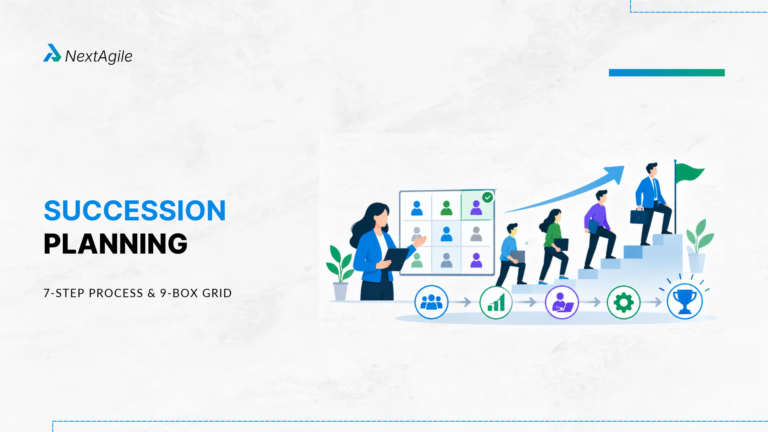
Succession planning is the process of identifying critical business roles, assessing potential successors, and preparing employees to take on greater responsibilities when leadership changes occur. An effective succession planning process combines role criticality, talent assessment, targeted development, and regular readiness reviews. The 9-box grid helps organizations assess employees based on current performance and future potential….