What a Product Owner Should NOT Do? : Biggest Pitfalls to Avoid
Anuj Ojha
Talk to Expert for Free
Table of Contents
Introduction
“Perfection is achieved, not when there is nothing more to add, but when there is nothing left to take away.” – Antoine de Saint-Exupéry
In the dynamic world of Agile, the Product Owner (PO) stands as a pivotal figure, the champion of the product vision, and the crucial link between stakeholders and the development team. They are entrusted with maximizing the value of the product on which the Scrum Team is working. But like any critical role, the path of a Product Owner is fraught with potential pitfalls. While countless resources illuminate the “Dos” of effective PO practice, understanding what a Product Owner should absolutely Not Do is equally vital for increasing the successful Agile outcomes.
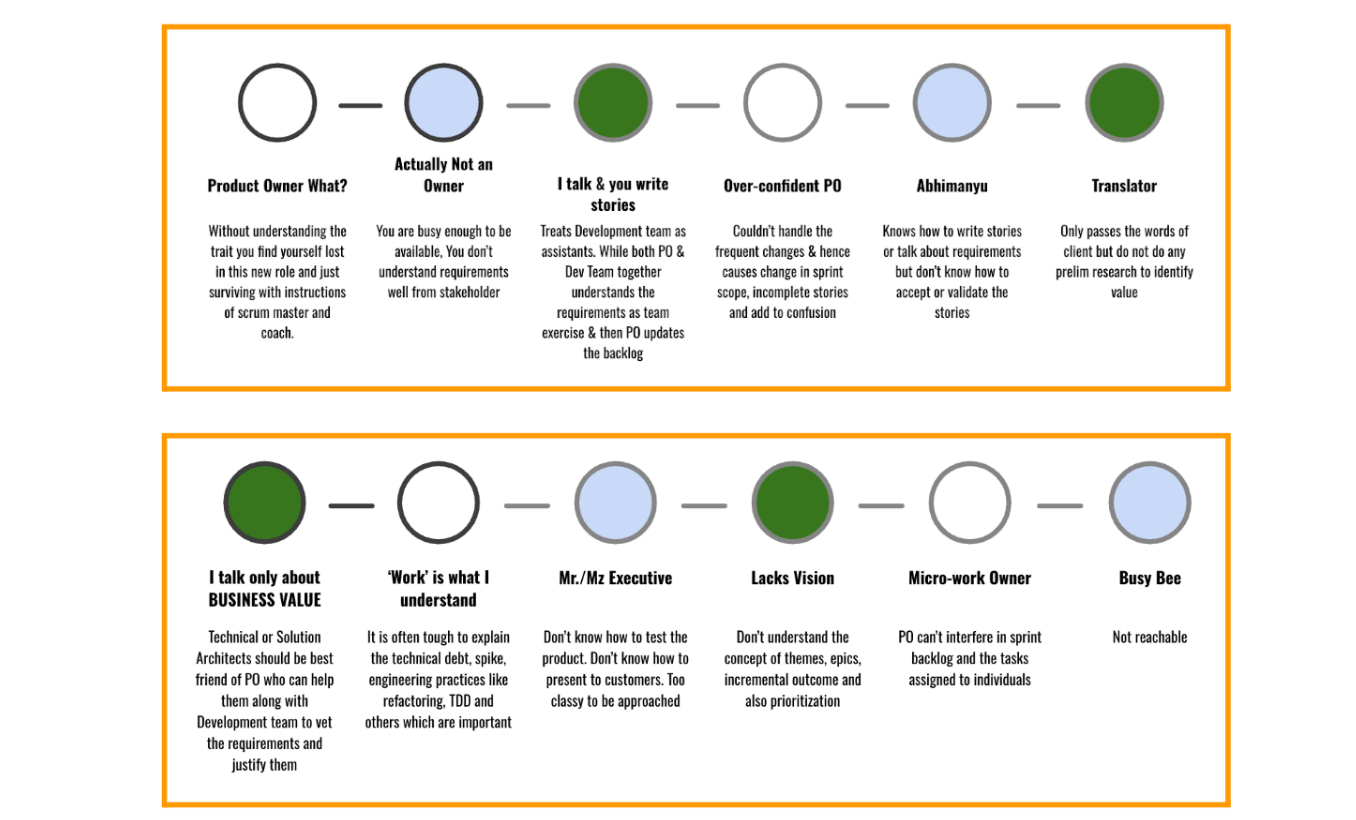
I remember that many years back I gave a webinar on anti-patterns in agile and scrum for one of NextAgile’s agile consulting and training partner and following are some of the screenshots of my slides on Product Owner anti-patterns and when I read them, I found that almost all of them are still true!
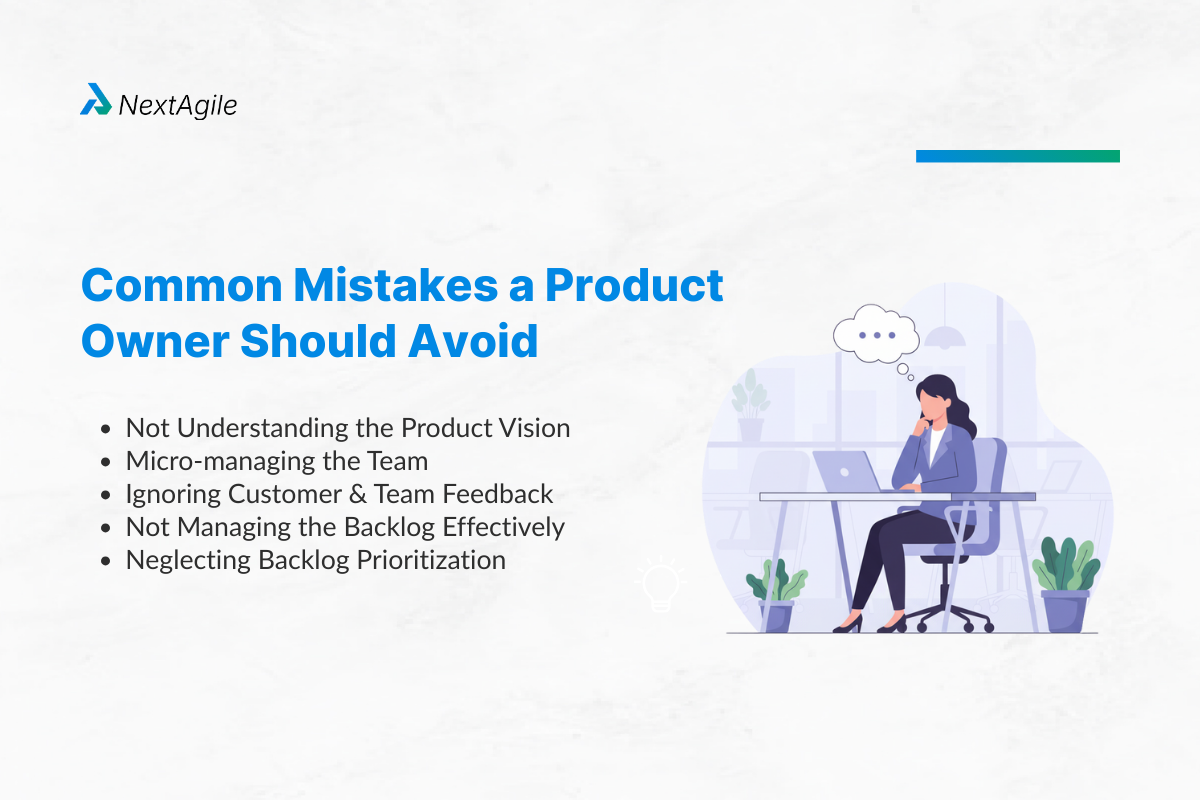
This blog on ‘What should a Product Owner not do?’ delves into the forbidden territory of Product Ownership, exploring the common mistakes that can derail even the most well-intentioned POs. By understanding these “do nots,” aspiring and seasoned Product Owners alike can navigate their responsibilities with greater clarity, ultimately leading to more valuable products and empowered, high-performing teams.
What is an Agile Product Owner?
Imagine there is a busy restaurant in a suburb where,
The restaurant owners (stakeholders) provide the overall business goals, budget, and target market.
The diners (customers) provide feedback on the food, what they like, what they do-not, and what they might want in the future.
The Head Chef (Product Owner) constantly interacts with both, understanding their needs and preferences to shape the menu.
The kitchen staff (development team) are the culinary experts who actually prepare the dishes.
Following are the traits & responsibilities:
The Head Chef doesn’t tell them exactly how to chop every vegetable or stir every sauce (micro-managing), but clearly communicates the desired outcome – the delicious and well-presented dish. The Chef trusts their skills and expertise to execute the menu effectively.
The Head Chef decides on daily specials or seasonal items based on ingredient availability, customer demand, and restaurant strategy, just like prioritising the backlog. Less popular or less profitable dishes might be removed or revised (backlog grooming).
Before a dish goes out to a diner, the Head Chef tastes and inspects it to ensure it meets their standards and the diner’s expectations (Definition of Done and acceptance criteria). If it’s not up to par, it’s sent back for refinement.
Before we venture into the “do nots,” let’s briefly revisit the essence of an Agile Product Owner. In the context of Scrum and broader Agile methodologies, the PO is the single point of accountability for the Product Backlog. They are responsible for defining, prioritizing, and communicating the product vision to the Scrum Team. The PO acts as the voice of the customer and stakeholders, ensuring the team builds the right product at the right time.
Understanding the Product Owner’s Role
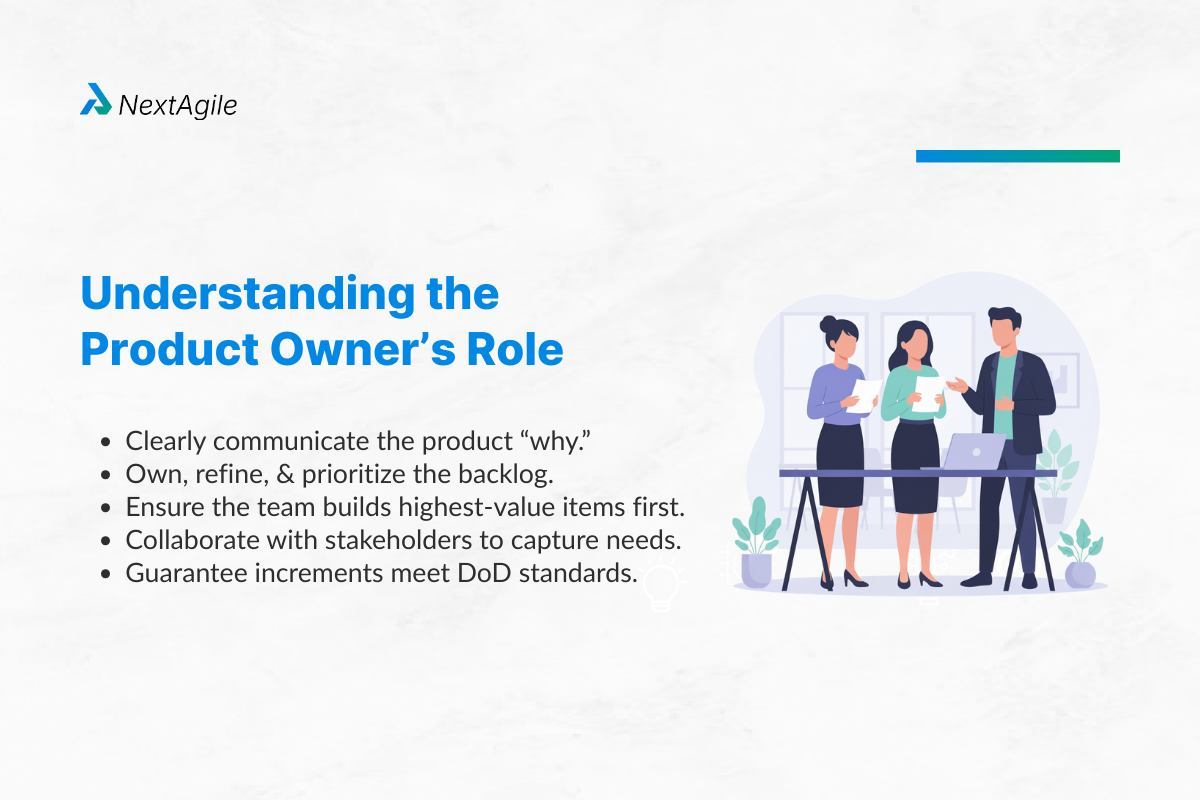
The Product Owner’s responsibilities are multifaceted and demand a unique blend of strategic thinking, communication prowess, and decisiveness. Key responsibilities include:
Articulating the “why” behind the product and painting a clear picture of its future
Creating, maintaining, and ordering the backlog items based on value, risk, priority, and dependencies
Ensuring the team works on the most valuable items first to maximize business outcomes
Collaborating with various stakeholders (customers, business owners, users, etc.) to understand their needs and translate them into actionable backlog items
Ensuring the delivered increments meet the Definition of Done and the acceptance criteria of the backlog items
I once worked with a Product Owner, Priya, during my agile coaching stint for a mobile app development company, and Priya was working with her team building a new e-commerce platform for the client of the firm. Initially, the client stakeholders had a laundry list of features they wanted, everything from complex personalization engines to intricate loyalty programs. Priya, our Head Chef, listened intently to the “owners” but also spent significant time understanding the “diners” – conducting user interviews and analyzing market trends.
Instead of blindly adding everything to the “menu” (backlog), Priya focused on the core experience first like a smooth browsing experience, a clear checkout process, and reliable order fulfillment. She resisted the urge to immediately implement the complex personalization engine, recognizing that without a solid foundation, those advanced features wouldn’t deliver value.
The stakeholders initially pushed back, wanting all the “bells and whistles” upfront. However, Priya patiently explained her rationale, emphasizing the need to deliver a Minimum Viable Product (MVP) quickly to gather real user feedback. She used the analogy of a restaurant needing to perfect its core dishes before experimenting with elaborate specials.
The initial launch was a success. Users loved the simplicity and ease of use. Based on their feedback and early sales data, Priya then strategically introduced the personalization features in subsequent “menu updates” (sprints), ensuring they were aligned with actual user needs and behavior.
 Skip to content