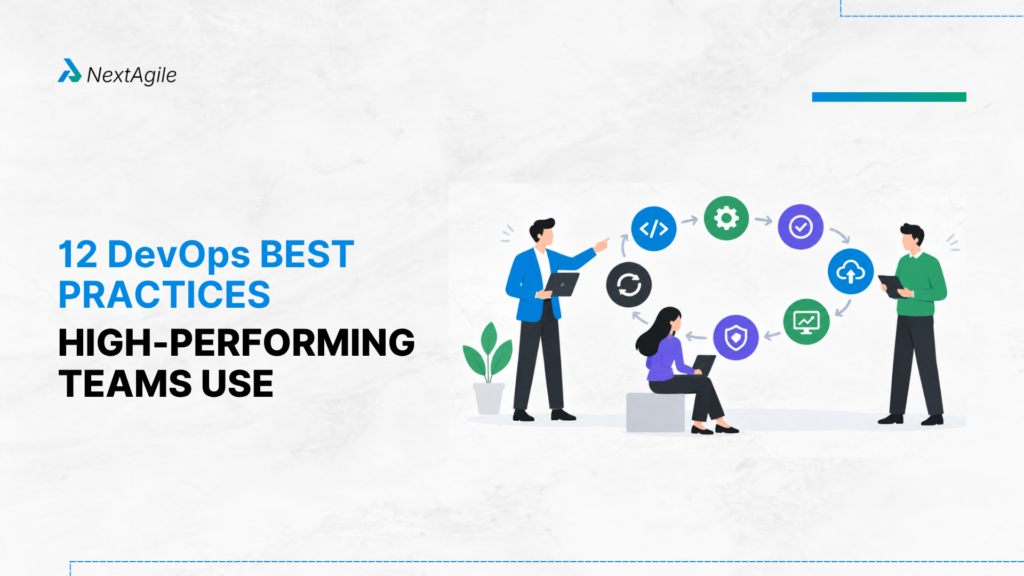
12 DevOps Best Practices for High-Performing Teams in 2026
The most effective DevOps best practices in 2026 are not about adding more tools to…
 Skip to content


The most effective DevOps best practices in 2026 are not about adding more tools to…
A SWOT analysis becomes useful when a business has an important decision to make but…
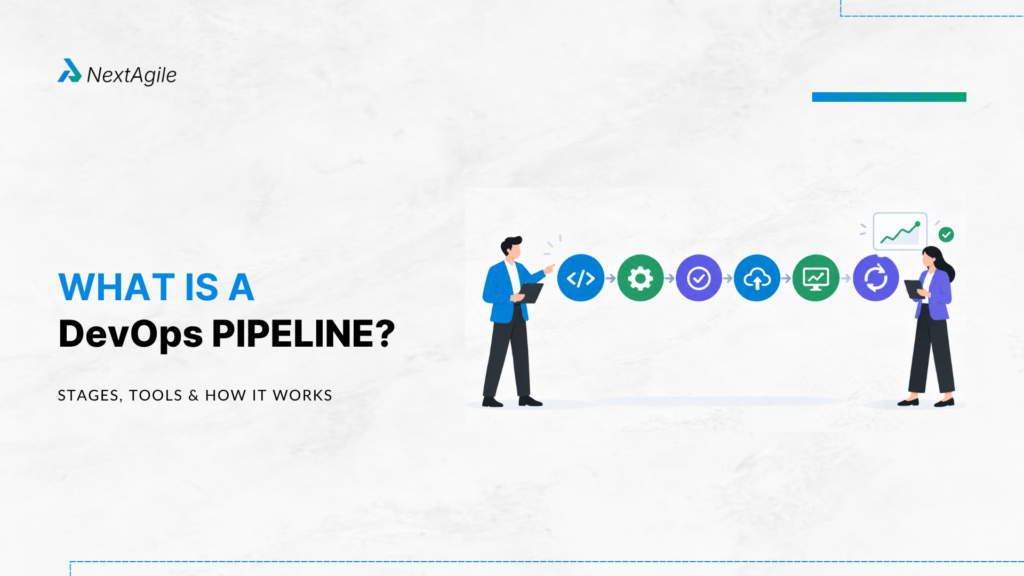
A DevOps pipeline is an automated delivery workflow that moves software from planning and code…
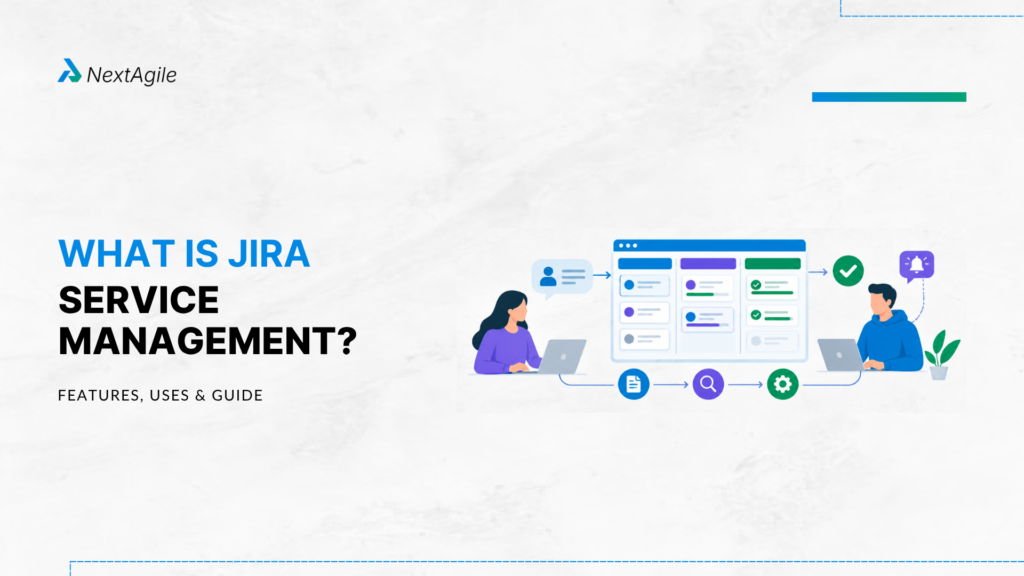
Jira Service Management, commonly called JSM, is Atlassian’s service management platform for managing service requests,…

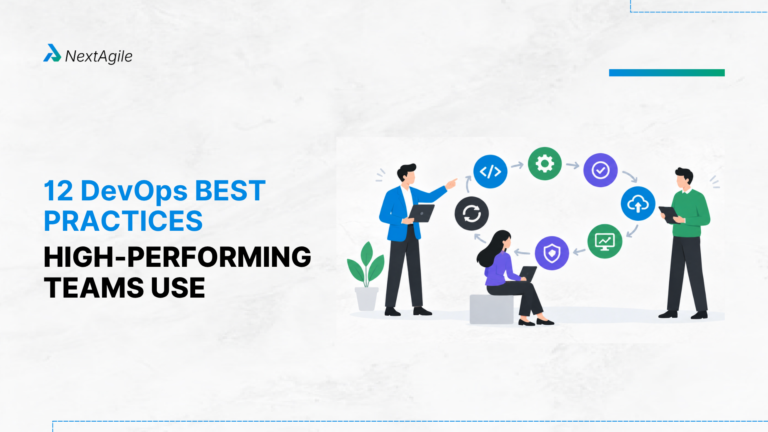
The most effective DevOps best practices in 2026 are not about adding more tools to the engineering stack. They are about improving the complete flow of software from development to production while keeping quality, security, reliability, cost, and customer value visible. The core practices include continuous integration, continuous delivery, infrastructure as code, GitOps, automated testing,…

A SWOT analysis becomes useful when a business has an important decision to make but does not yet have a clear view of what could accelerate, constrain, enable, or derail the plan. Should you enter a new market? Launch a product? Expand an existing business? Invest in automation? Move into a new customer segment? These…
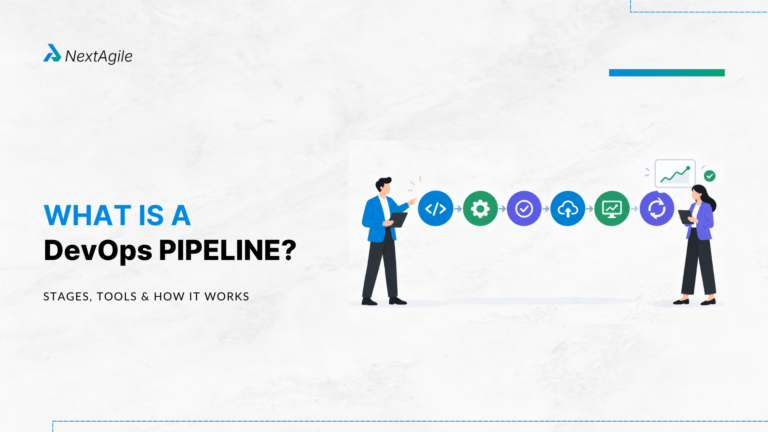
A DevOps pipeline is an automated delivery workflow that moves software from planning and code changes through build, testing, deployment, and production monitoring. It connects development, testing, security, operations, and release activities into a repeatable flow. The objective is not simply to automate more tasks. It is to reduce delays, improve quality, increase deployment confidence,…
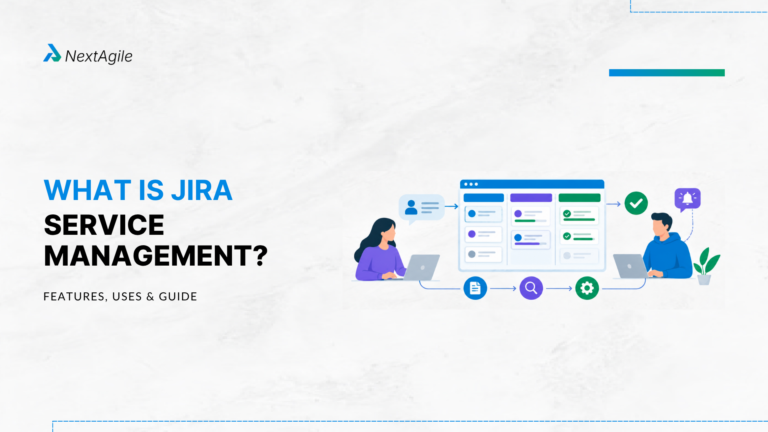
Jira Service Management, commonly called JSM, is Atlassian’s service management platform for managing service requests, incidents, changes, problems, assets, knowledge, and operational workflows. It gives teams a structured way to receive requests, route work, manage service levels, respond to incidents, control changes, and measure service performance. JSM is designed to connect service teams with development…
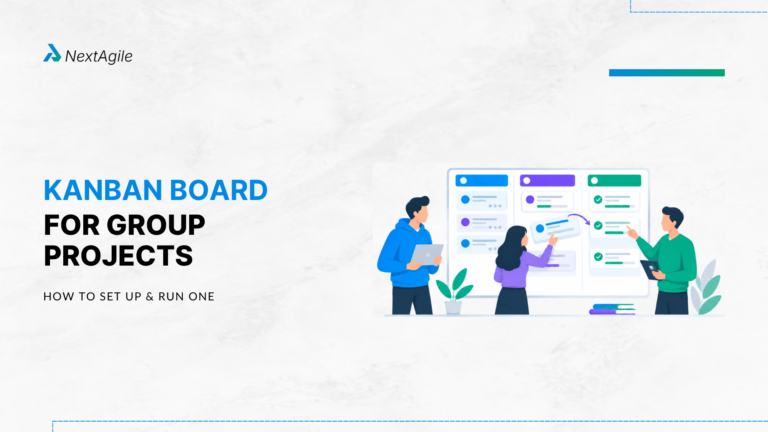
A Kanban board for a group project is a visual system that shows what work needs to be done, what is currently being worked on, what is waiting for review, what is blocked, and what has been completed. For a student project, a simple board can use five columns: Backlog, To Do, In Progress, Review,…
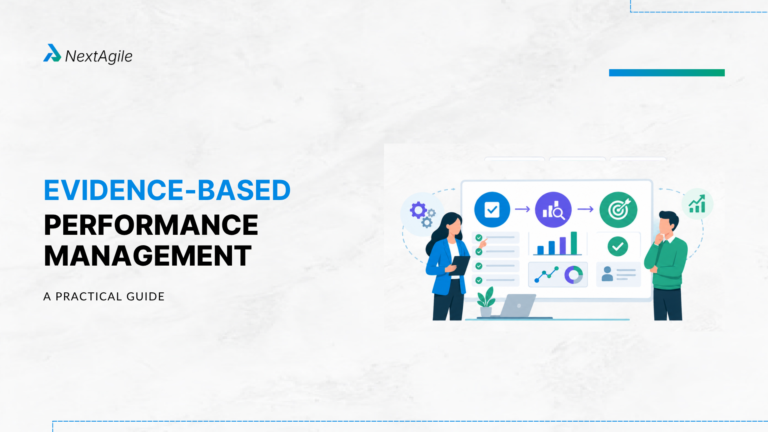
Evidence-based performance management uses measurable results, clearly defined behavioural competencies and relevant context to make performance decisions more consistent, transparent and fair. It combines two essential dimensions of performance: what an employee achieves and how the employee works. Key Results (KRs) provide evidence of outcomes, while behavioural competencies describe the observable behaviours, ways of working…
DevOps interview questions test more than whether you know Docker, Kubernetes, Terraform, or CI/CD tools. Strong interviews test whether you can build reliable delivery systems, troubleshoot production failures, automate safely, manage infrastructure, improve security, and explain engineering tradeoffs. Junior candidates are usually tested on fundamentals such as Linux, Git, containers, cloud, and CI/CD. Experienced candidates…
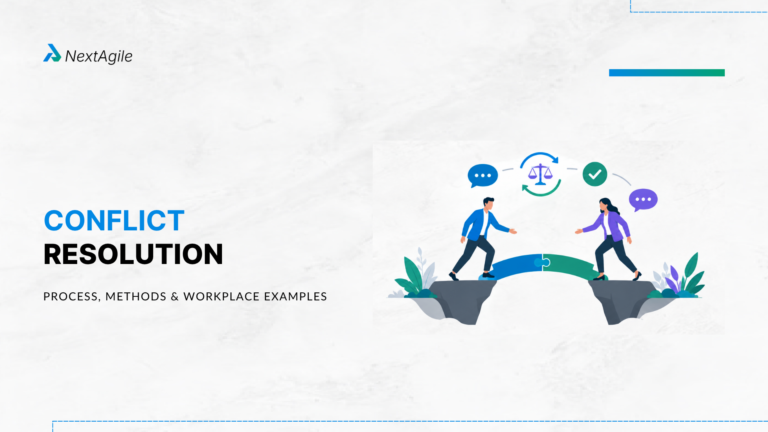
Conflict resolution is a structured way to address disagreement, understand what is driving it, and reach a workable outcome. In the workplace, effective conflict resolution is not about forcing people to agree. It is about creating enough clarity, accountability, and shared understanding for productive work to continue. A practical conflict resolution process includes seven steps:…
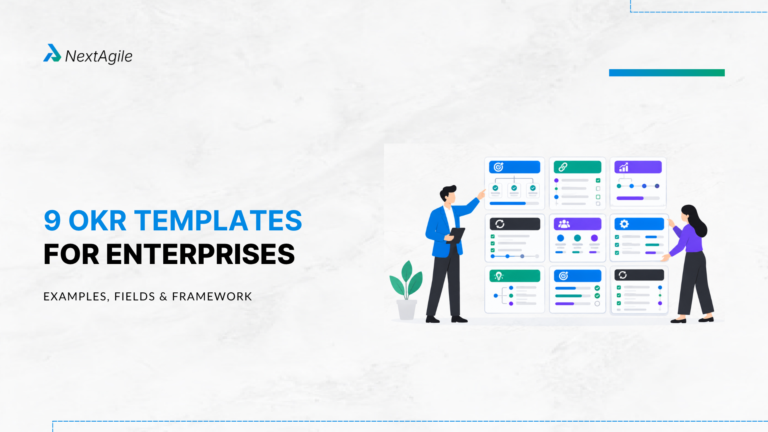
OKR templates for enterprises need to do more than capture objectives and key results. They need to connect company strategy with business unit priorities, department outcomes, team commitments, cross-functional contributions, dependencies, ownership, progress, and leadership decisions. The most useful enterprise OKR approach uses a common structure while allowing different organisational levels to capture the context…
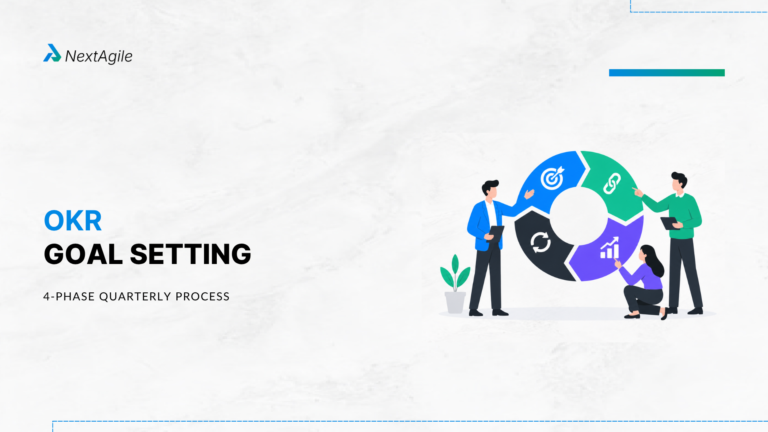
OKR goal setting is the process of deciding what matters most for a team during a defined period, turning those priorities into measurable outcomes, and creating a regular rhythm for reviewing progress and making course corrections. A practical quarterly OKR cycle has four phases: kickoff and objective setting, mid-quarter check-ins, end-of-quarter scoring, and retrospective and…