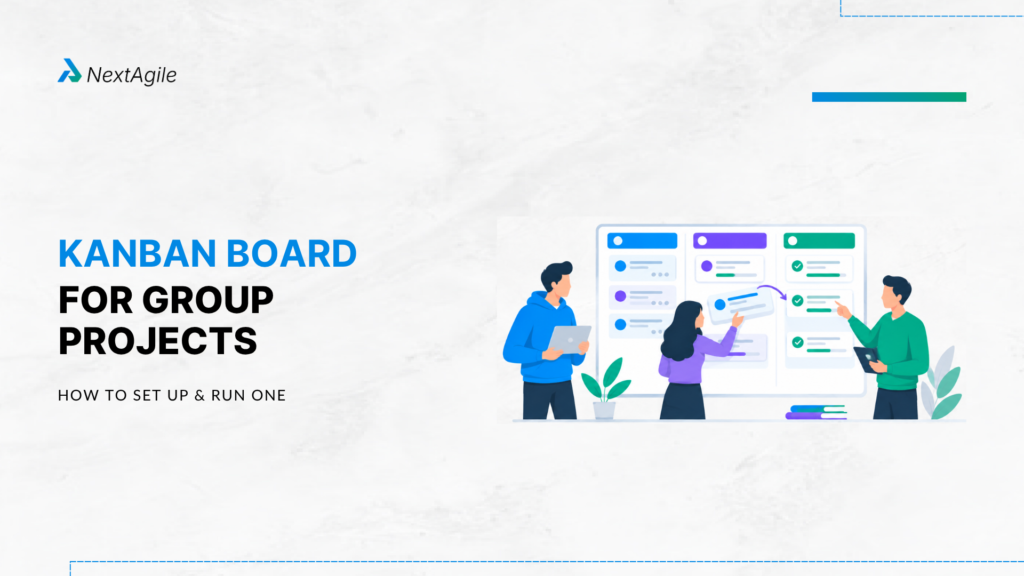
How to Run a Kanban Board for Your Group Project
A Kanban board for a group project is a visual system that shows what work…
 Skip to content

A Kanban board for a group project is a visual system that shows what work…
Evidence-based performance management uses measurable results, clearly defined behavioural competencies and relevant context to make…
DevOps interview questions test more than whether you know Docker, Kubernetes, Terraform, or CI/CD tools….
Conflict resolution is a structured way to address disagreement, understand what is driving it, and…
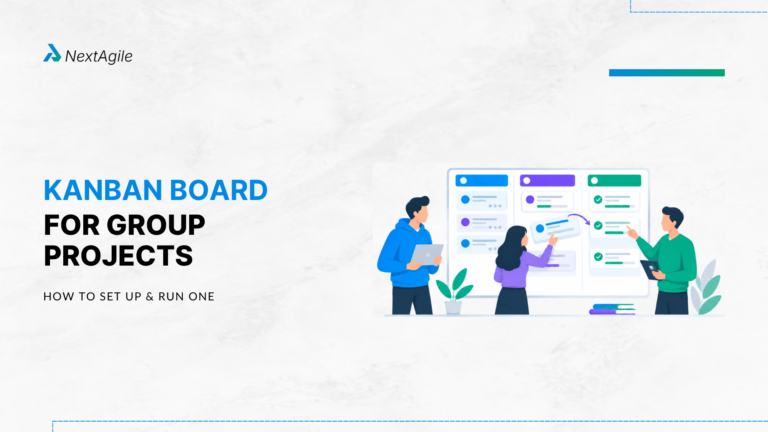
A Kanban board for a group project is a visual system that shows what work needs to be done, what is currently being worked on, what is waiting for review, what is blocked, and what has been completed. For a student project, a simple board can use five columns: Backlog, To Do, In Progress, Review,…
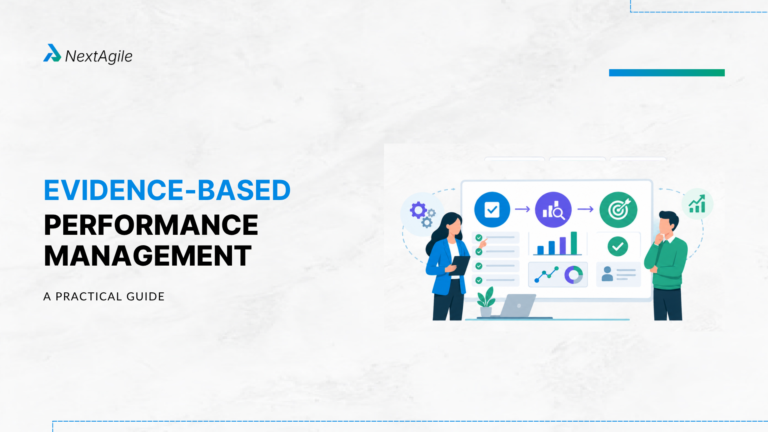
Evidence-based performance management uses measurable results, clearly defined behavioural competencies and relevant context to make performance decisions more consistent, transparent and fair. It combines two essential dimensions of performance: what an employee achieves and how the employee works. Key Results (KRs) provide evidence of outcomes, while behavioural competencies describe the observable behaviours, ways of working…
DevOps interview questions test more than whether you know Docker, Kubernetes, Terraform, or CI/CD tools. Strong interviews test whether you can build reliable delivery systems, troubleshoot production failures, automate safely, manage infrastructure, improve security, and explain engineering tradeoffs. Junior candidates are usually tested on fundamentals such as Linux, Git, containers, cloud, and CI/CD. Experienced candidates…
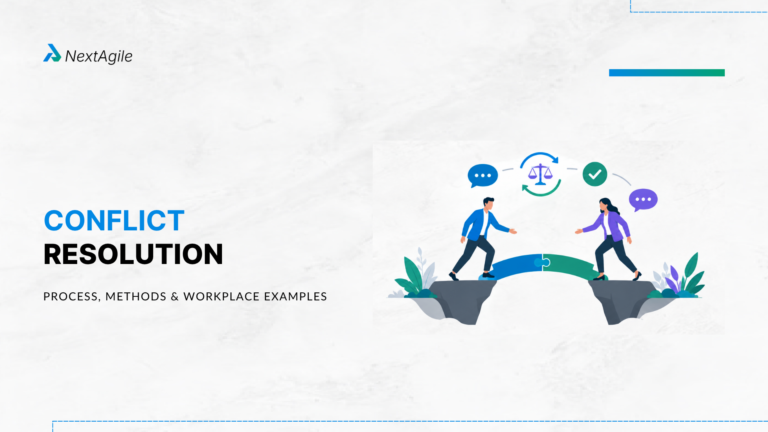
Conflict resolution is a structured way to address disagreement, understand what is driving it, and reach a workable outcome. In the workplace, effective conflict resolution is not about forcing people to agree. It is about creating enough clarity, accountability, and shared understanding for productive work to continue. A practical conflict resolution process includes seven steps:…
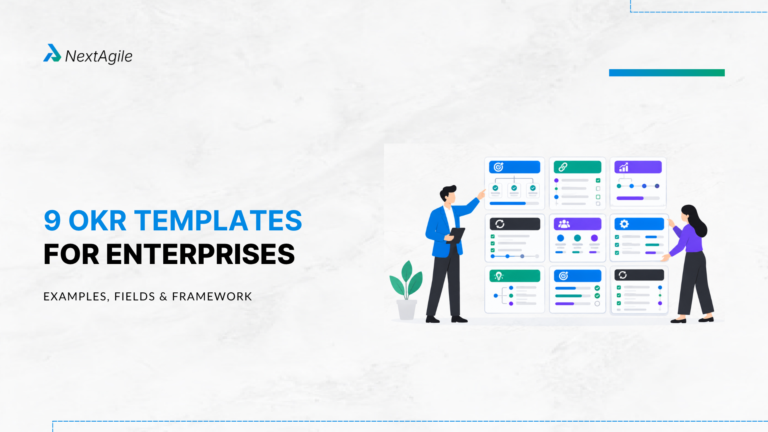
OKR templates for enterprises need to do more than capture objectives and key results. They need to connect company strategy with business unit priorities, department outcomes, team commitments, cross-functional contributions, dependencies, ownership, progress, and leadership decisions. The most useful enterprise OKR approach uses a common structure while allowing different organisational levels to capture the context…

OKR goal setting is the process of deciding what matters most for a team during a defined period, turning those priorities into measurable outcomes, and creating a regular rhythm for reviewing progress and making course corrections. A practical quarterly OKR cycle has four phases: kickoff and objective setting, mid-quarter check-ins, end-of-quarter scoring, and retrospective and…
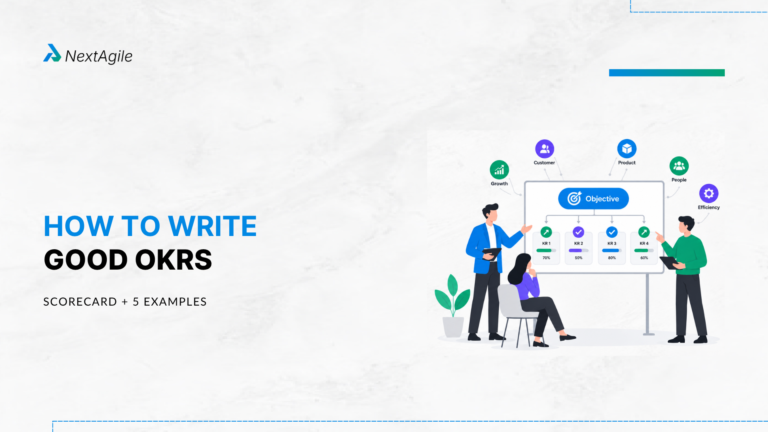
To write good OKRs, start with the outcome you want to create rather than the work you plan to complete. Write a clear objective that describes the direction, then define two to four key results that show measurable evidence of progress. A simple test is to ask five questions: What meaningful change are we trying…
The BCG Matrix and Ansoff Matrix are both strategic planning frameworks, but they help answer different business questions. Use the BCG Matrix when you need to understand an existing portfolio of products or business units and decide where investment, attention, or resources should go. Use the Ansoff Matrix when you are exploring future growth and…
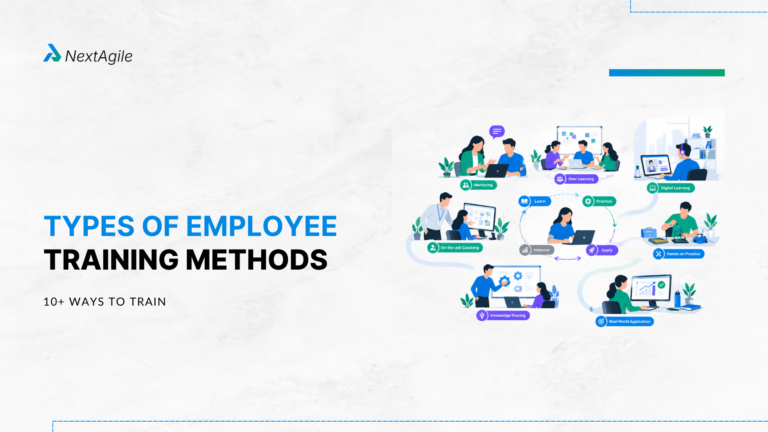
The main types of employee training methods include on-the-job training, job rotation, cross-training, employee shadowing, stretch assignments, e-learning, microlearning, simulations, virtual reality, gamification, coaching, mentoring, peer learning, communities of practice, case studies, role-playing, capstone projects, and blended learning. There is no single best employee training method for every situation. Knowledge-based training may work well through…
Most organizations respond to performance problems with training before identifying what is actually causing the problem. Employees attend programs, completion rates look healthy, and feedback scores are positive, yet the original business problem remains. That is where Training Needs Analysis becomes important. A good TNA does not begin by asking which courses employees need. It…