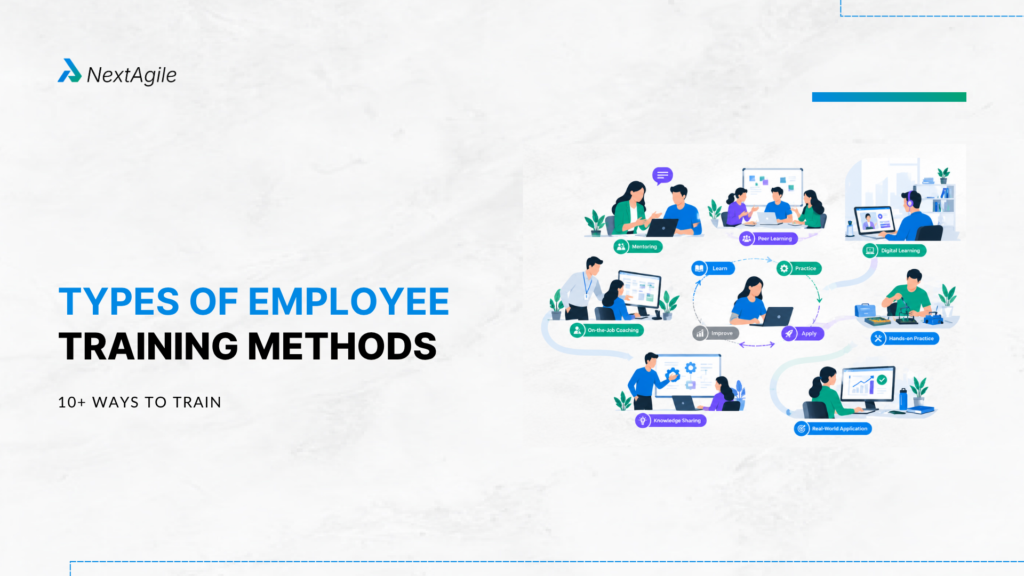
Types of Employee Training Methods: 10+ Ways to Train Employees
The main types of employee training methods include on-the-job training, job rotation, cross-training, employee shadowing,…
 Skip to content

The main types of employee training methods include on-the-job training, job rotation, cross-training, employee shadowing,…
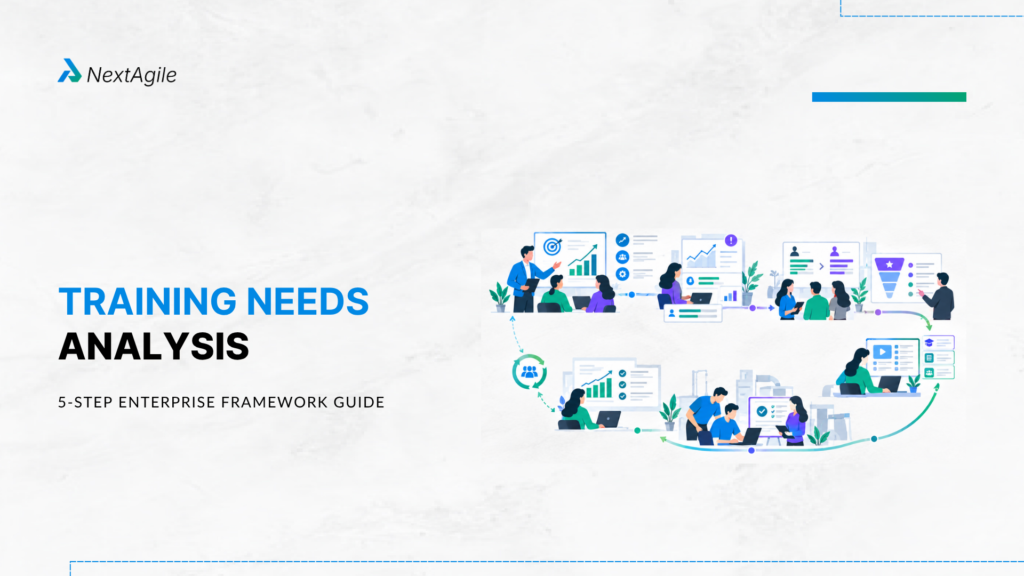
Most organizations respond to performance problems with training before identifying what is actually causing the…
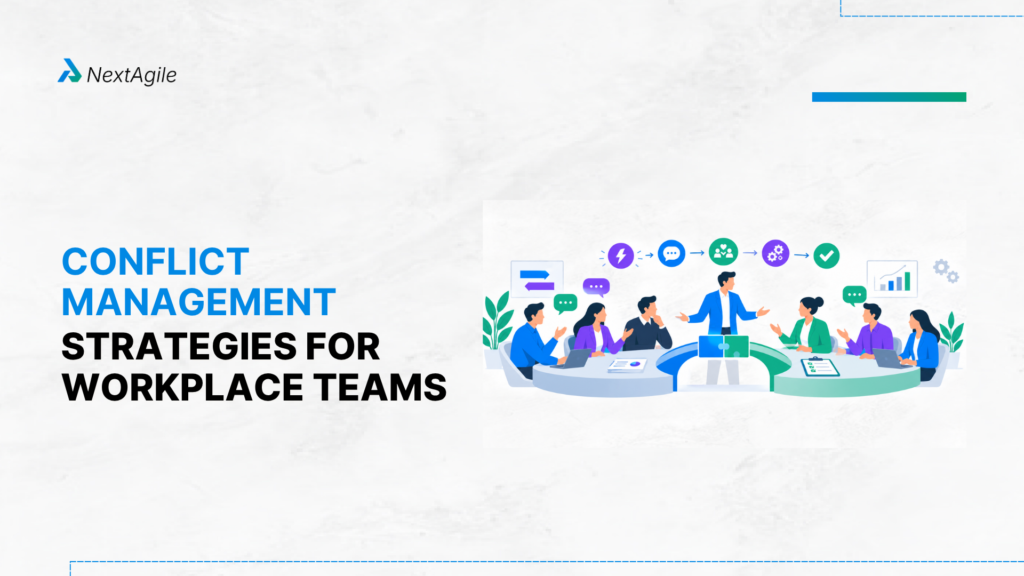
Most workplace conflict does not begin with a serious disagreement. It starts when small tensions…
Value stream mapping examples show how organizations visualize the complete journey of work from customer…
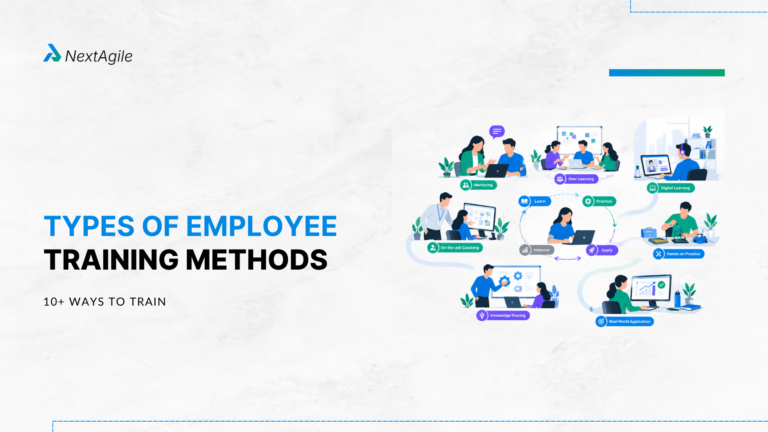
The main types of employee training methods include on-the-job training, job rotation, cross-training, employee shadowing, stretch assignments, e-learning, microlearning, simulations, virtual reality, gamification, coaching, mentoring, peer learning, communities of practice, case studies, role-playing, capstone projects, and blended learning. There is no single best employee training method for every situation. Knowledge-based training may work well through…
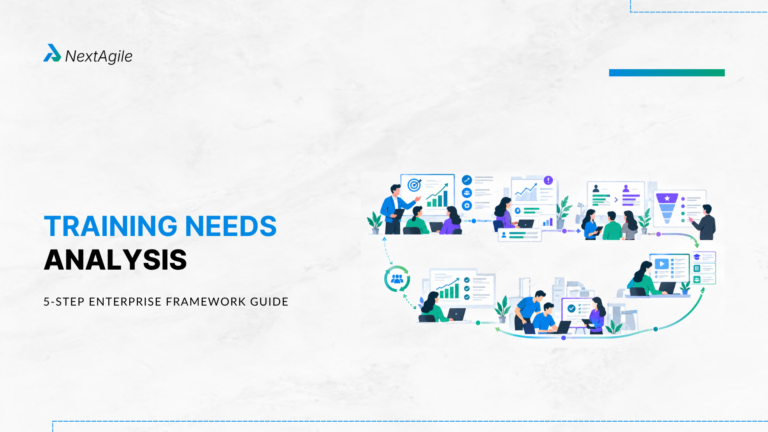
Most organizations respond to performance problems with training before identifying what is actually causing the problem. Employees attend programs, completion rates look healthy, and feedback scores are positive, yet the original business problem remains. That is where Training Needs Analysis becomes important. A good TNA does not begin by asking which courses employees need. It…
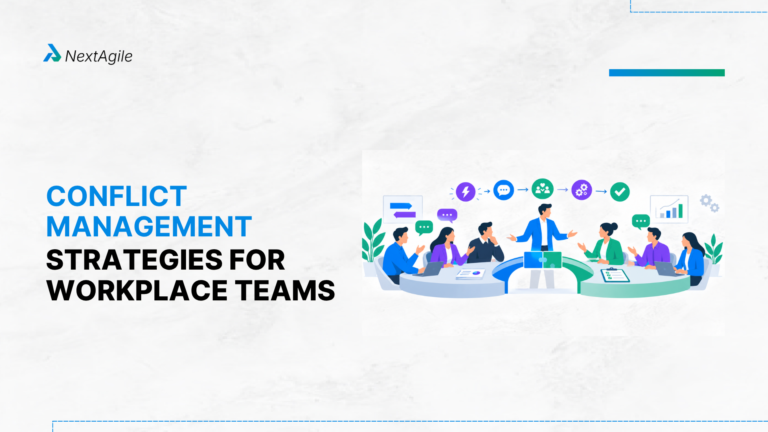
Most workplace conflict does not begin with a serious disagreement. It starts when small tensions are left unresolved until they begin affecting decisions, trust, and execution. A manager avoids addressing a recurring issue. Two colleagues stop challenging each other directly. A functional team feels that another department keeps creating unnecessary work. Nothing appears serious at…
Value stream mapping examples show how organizations visualize the complete journey of work from customer demand to delivered value, then identify waiting, handoffs, rework, bottlenecks, and other sources of delay. A current state map shows how work actually moves today. A future state map shows how that flow could work better by reducing unnecessary queues,…
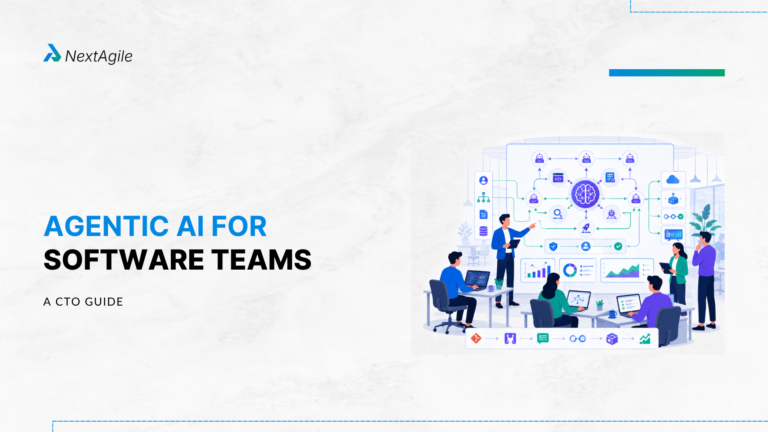
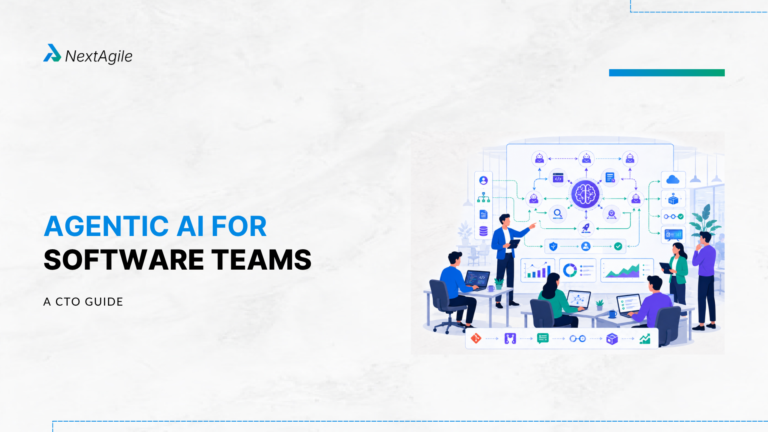
Agentic AI for software teams refers to AI systems that can plan and execute multi-step tasks, use tools and APIs, retrieve information, make decisions within defined boundaries, and work with humans when approval is required. For CTOs, successful adoption is less about choosing an AI model and more about building the right operating model around…
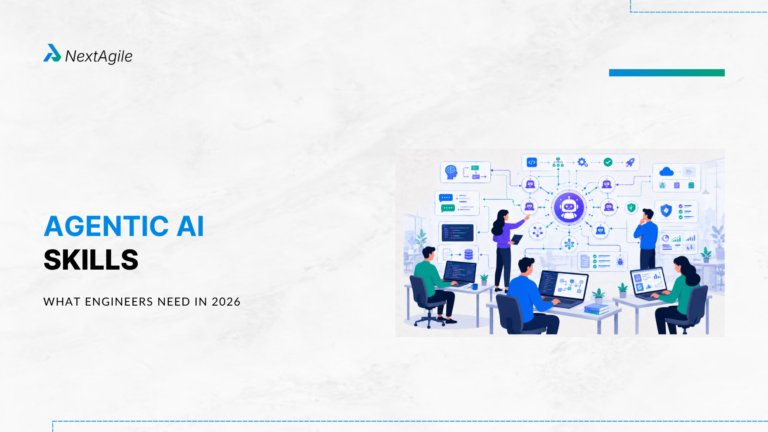
The most important agentic AI skills in 2026 go beyond prompt engineering. Engineers need to understand LLMs, context engineering, tool and API orchestration, agent design, evaluation, observability, security, governance, and engineering judgment. An engineer building an AI agent must understand how a model interacts with tools, data, memory, APIs, and other agents. They also need…
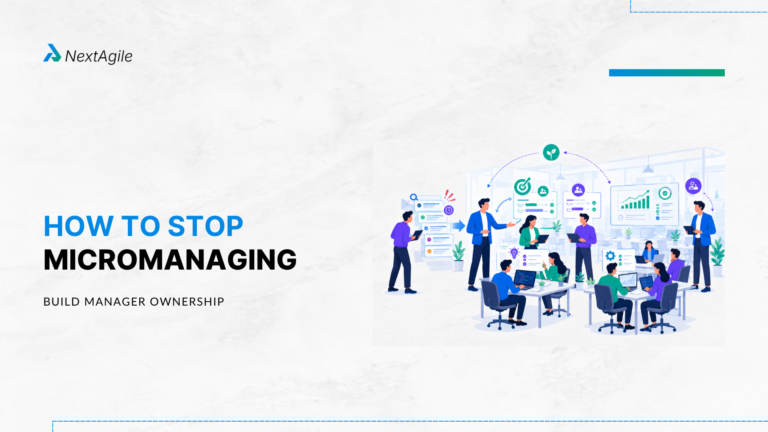
To stop micromanaging, leaders need to replace constant control with clear outcomes, decision authority, boundaries, and structured reviews. Micromanagement usually develops when leaders believe they must personally protect quality, speed, or accountability. The problem is that repeated intervention teaches managers to wait for approval instead of using judgement. A better model is simple: define what…
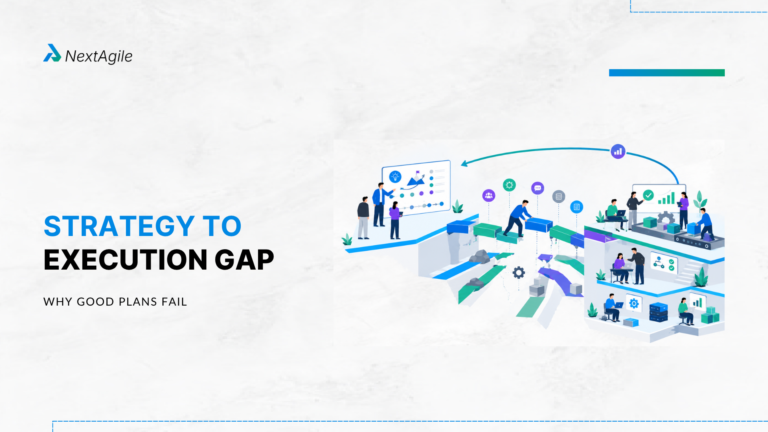
The strategy to execution gap is the disconnect between what leadership decides the organization should achieve and what teams actually deliver. It usually appears when strategic priorities are not translated into clear ownership, decisions, resources, trade-offs, and weekly commitments. The gap often becomes visible at the manager layer. Senior leaders define direction, while managers must…
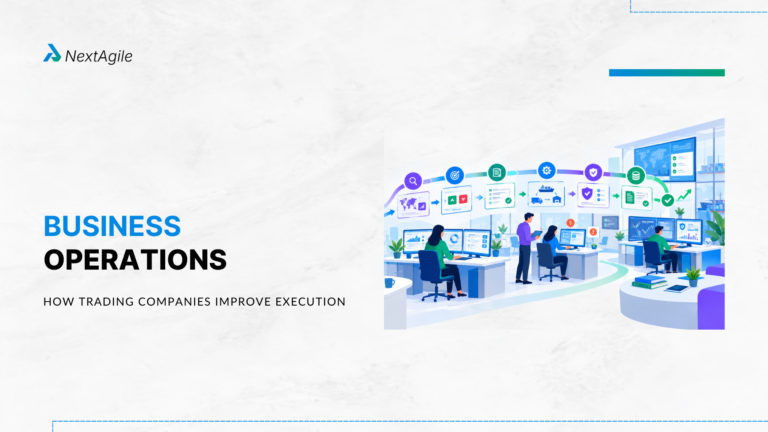
Key Highlights of Business Operations Business operations determine how efficiently trading companies convert customer orders into cash. Most execution delays occur during departmental handoffs not because of poor decisions. Standardized processes, clear ownership, and operational KPIs improve speed without increasing headcount. Strong business operations reduce inventory costs, improve working capital, and increase customer satisfaction. Mapping…
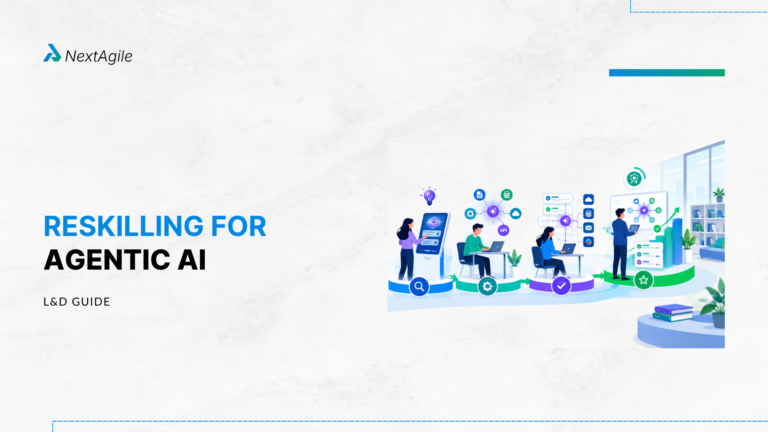
Reskilling for agentic AI means preparing software teams to design, build, use, evaluate, and manage AI agents that can plan tasks, use tools, make decisions, and complete multi-step work with limited human intervention. Companies should begin with a skills gap analysis, map required skills to engineering roles, create role-based learning paths, and use real projects…