40 LLM Interview Questions for AI Engineers
Key Highlights Companies hiring LLM engineers in 2026 want candidates who can reason through production…
 Skip to content


Key Highlights Companies hiring LLM engineers in 2026 want candidates who can reason through production…
Key Highlights of RAG Interview Questions RAG interviews have shifted from “explain the concept” to…
Key Highlights of OKR in HR HR OKRs connect people initiatives with business priorities such…
The most effective DevOps best practices in 2026 are not about adding more tools to…
Key Highlights Companies hiring LLM engineers in 2026 want candidates who can reason through production architectures, debug retrieval pipelines, and explain why DPO replaced PPO at most frontier labs. Reciting definitions no longer gets you through. AI engineer interviews are now 60%+ GenAI-focused. Questions about RAG, agent design, and LLM-powered system design have replaced the…
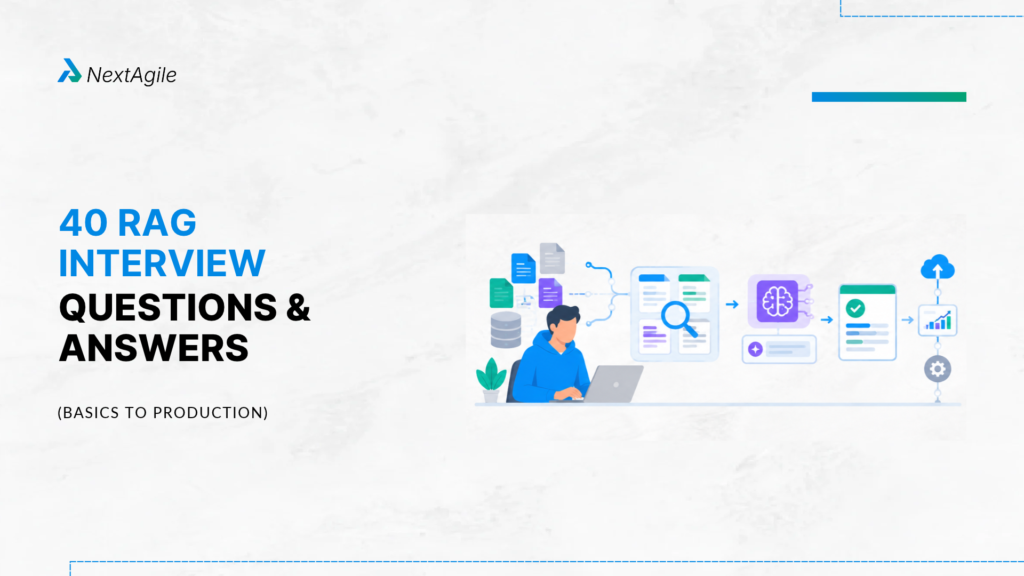
Key Highlights of RAG Interview Questions RAG interviews have shifted from “explain the concept” to “walk me through your architecture decisions and what broke first.” Companies want engineering experience, not definitions. The GraphRAG vs standard RAG question now appears regularly in senior interviews because knowledge graphs have become a viable alternative for structured domains. Agentic…
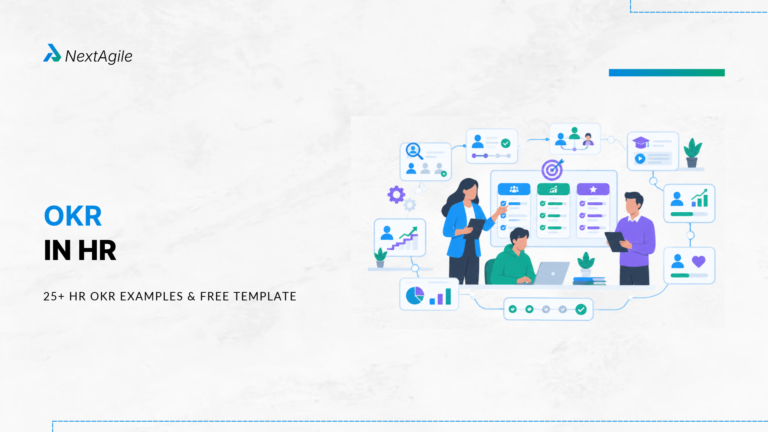
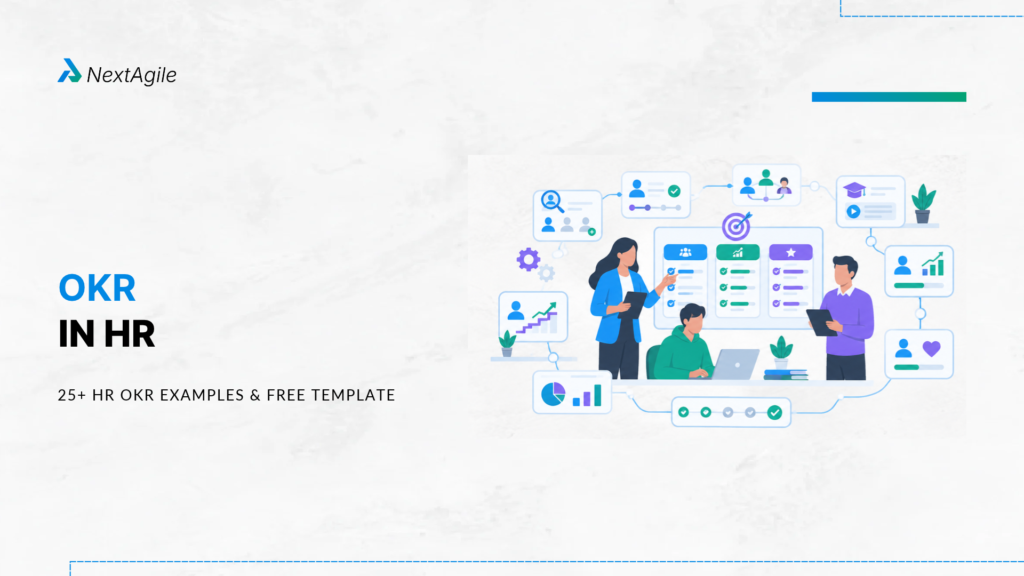
Key Highlights of OKR in HR HR OKRs connect people initiatives with business priorities such as growth, productivity, retention, and leadership capability. Effective HR OKRs measure outcomes rather than completed activities, training sessions, policies, or recruitment campaigns. HR teams can use OKRs across talent acquisition, onboarding, employee engagement, learning and development, performance management, retention, compensation,…
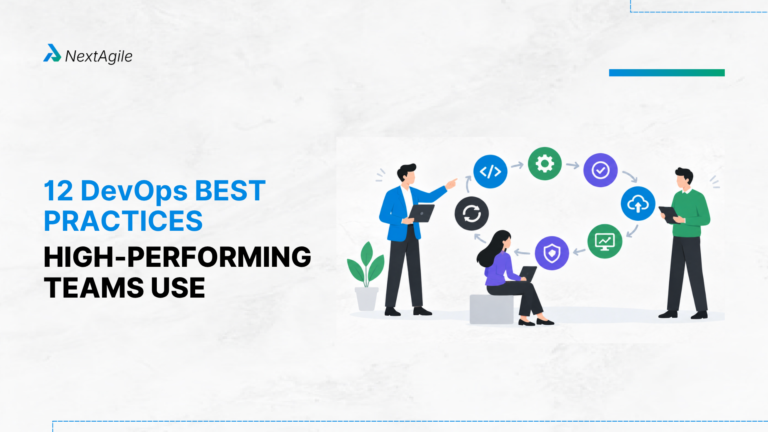
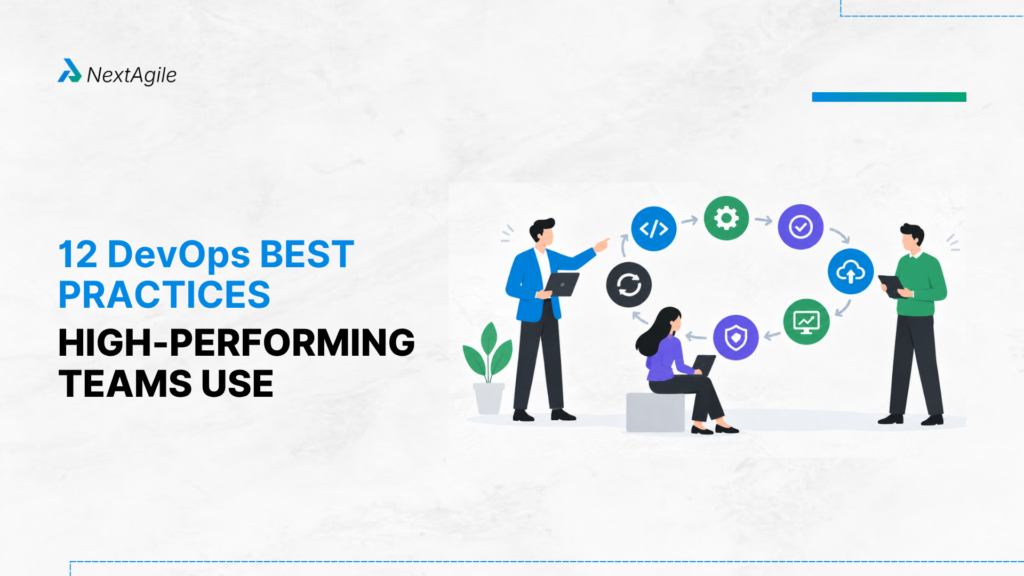
The most effective DevOps best practices in 2026 are not about adding more tools to the engineering stack. They are about improving the complete flow of software from development to production while keeping quality, security, reliability, cost, and customer value visible. The core practices include continuous integration, continuous delivery, infrastructure as code, GitOps, automated testing,…
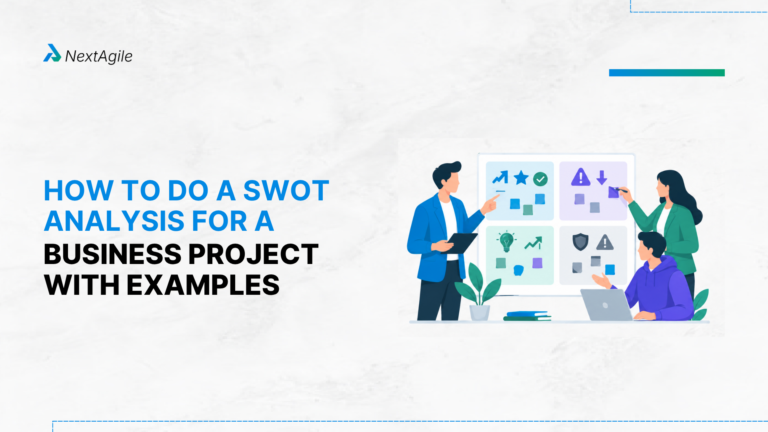
A SWOT analysis becomes useful when a business has an important decision to make but does not yet have a clear view of what could accelerate, constrain, enable, or derail the plan. Should you enter a new market? Launch a product? Expand an existing business? Invest in automation? Move into a new customer segment? These…
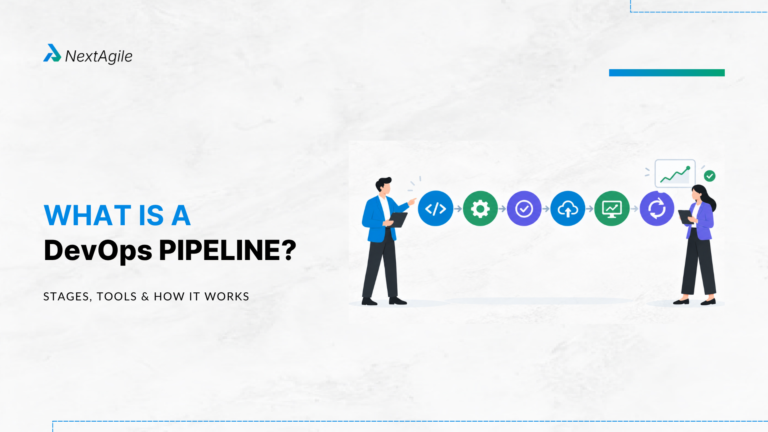
A DevOps pipeline is an automated delivery workflow that moves software from planning and code changes through build, testing, deployment, and production monitoring. It connects development, testing, security, operations, and release activities into a repeatable flow. The objective is not simply to automate more tasks. It is to reduce delays, improve quality, increase deployment confidence,…
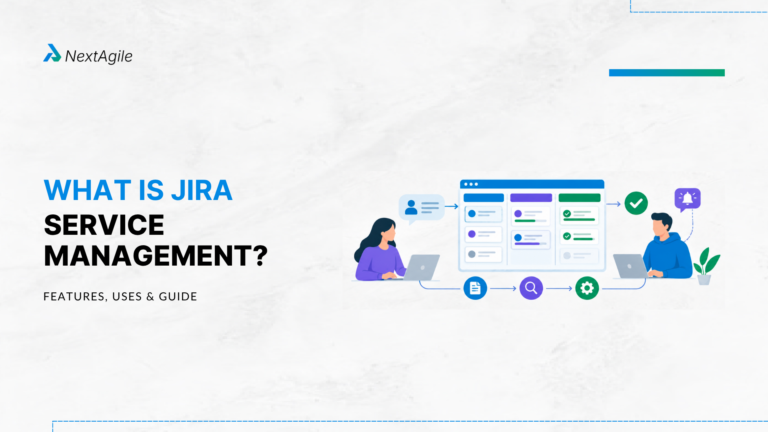
Jira Service Management, commonly called JSM, is Atlassian’s service management platform for managing service requests, incidents, changes, problems, assets, knowledge, and operational workflows. It gives teams a structured way to receive requests, route work, manage service levels, respond to incidents, control changes, and measure service performance. JSM is designed to connect service teams with development…
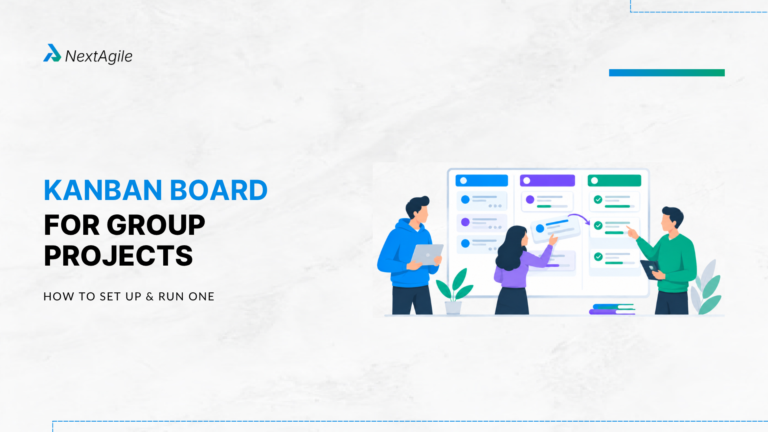
A Kanban board for a group project is a visual system that shows what work needs to be done, what is currently being worked on, what is waiting for review, what is blocked, and what has been completed. For a student project, a simple board can use five columns: Backlog, To Do, In Progress, Review,…
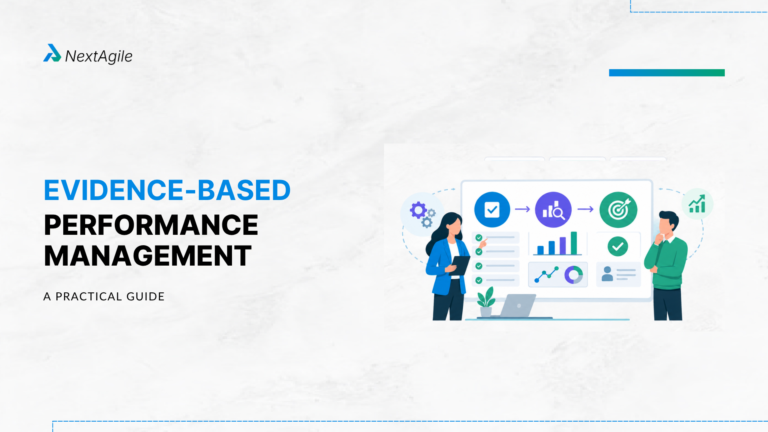
Evidence-based performance management uses measurable results, clearly defined behavioural competencies and relevant context to make performance decisions more consistent, transparent and fair. It combines two essential dimensions of performance: what an employee achieves and how the employee works. Key Results (KRs) provide evidence of outcomes, while behavioural competencies describe the observable behaviours, ways of working…
DevOps interview questions test more than whether you know Docker, Kubernetes, Terraform, or CI/CD tools. Strong interviews test whether you can build reliable delivery systems, troubleshoot production failures, automate safely, manage infrastructure, improve security, and explain engineering tradeoffs. Junior candidates are usually tested on fundamentals such as Linux, Git, containers, cloud, and CI/CD. Experienced candidates…