How to Build an Effective Agile Training Plan for Your Team
Alok Dimri
Talk to Expert for Free
Table of Contents
Introduction
Agile training is a form of education and professional development intervention focused on the Agile methodology and its principles, practices, and tools. The goal of Agile training is to help individuals and organizations understand and effectively implement the Agile ways of working.
There are many different types of Agile training programs available, ranging from introductory courses to Advanced certification programs. Agile Trainings can also be role based like scrum master /product owner or Development team focussed or framework based like Scrum, Kanban, SAFe etc.
Agile training can be delivered in a variety of formats, including in-person classes, online courses, and workshops. It is suitable for individuals and organizations of all sizes, and can be customized to meet the specific needs and goals of each participant.
The purpose of this blog is to understand in detail
How to plan an Agile Training for maximum learning takeaway
How to Identify the audience of agile training workshops
Key Aspects of training like Interaction and gamification
Ways to bring in simulation in the training workshop
How to bring in Flavors of multiple frameworks in the training
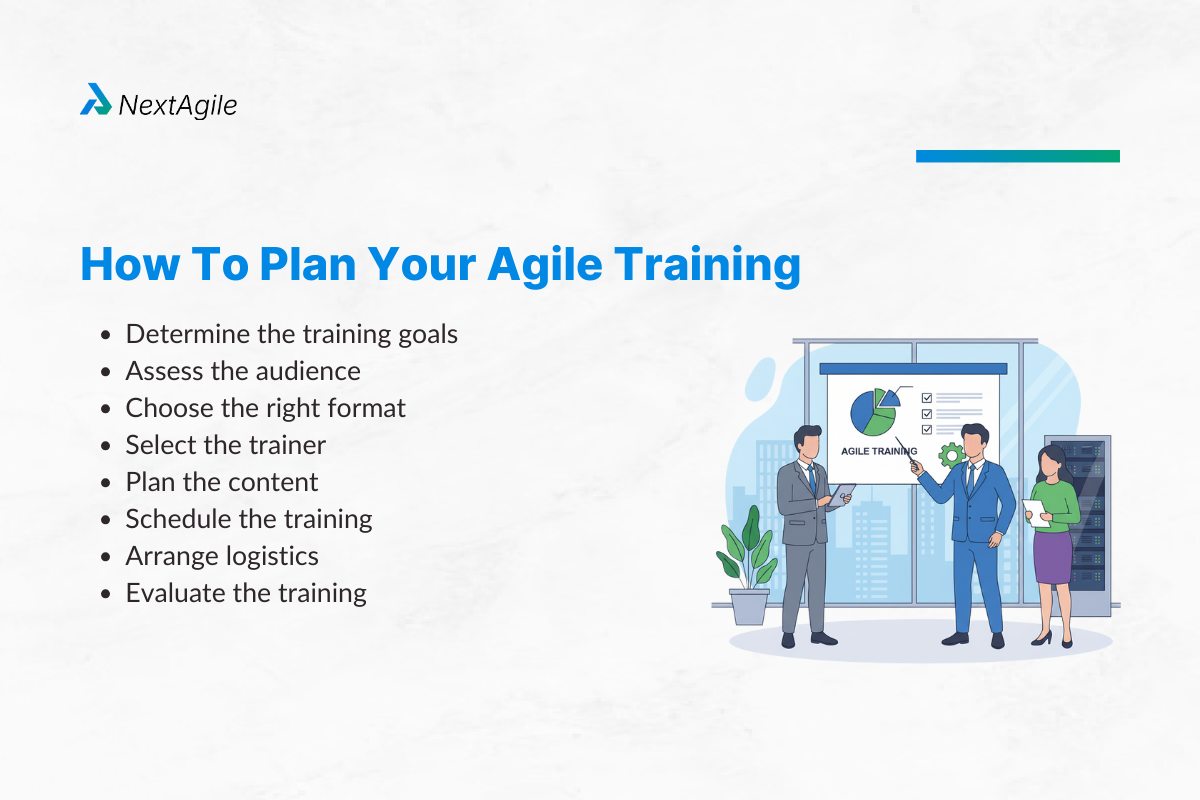
How To Plan Your Agile Training
Planning an Agile training program requires careful consideration of several key factors to ensure that the training is effective and meets the needs of the participants. Here are some steps to consider when planning an Agile training program:
Determine the training goals: Clearly define the objectives of the training program and what the participants should be able to do after completing the program. This will help you determine the type and level of training that is needed.
Assess the audience: Consider the backgrounds and experience levels of the participants to ensure that the training is appropriate for their needs. You may need to offer different levels of training for different groups of participants.
Choose the right format: Decide on the format for the training, such as in-person classes, online courses, or workshops. Consider the preferences and needs of the participants, as well as the availability of trainers and resources.
Select the trainer: Choose a trainer who has the appropriate experience and expertise to deliver the training. Consider their credentials, references, and any previous training experience.
Plan the content: Develop a detailed training plan that covers all the topics and practices that the participants need to know. Ensure that the content is relevant, engaging, and appropriate for the audience.
Schedule the training: Decide on a suitable time and location for the training. Consider the schedules and availability of the participants, as well as any logistical or resource constraints.
Arrange logistics: Make arrangements for any necessary resources and materials, such as computers, projectors, or training aids. Consider any additional support or resources that may be needed for the participants, such as transportation or accommodation.
Evaluate the training: Plan for evaluating the effectiveness of the training program. This may include assessments, surveys, or feedback sessions to help you understand how well the training was received and what can be improved.
Who are your Audience for Agile training and How to Identify them
Identifying the audience for an Agile training program is an important step in ensuring that the training is effective and meets the needs of the participants. Here are some steps to help you identify the audience for an Agile training program:
Understand what is the need for the training workshop: Start by defining the objectives of the training program and what the participants should be able to do after completing the program. This will help you determine the type and level of training that is needed.
Assess if it is a specific or a general Training: Consider the current state of the organization and the specific Agile practices and principles that need to be addressed. This will help you determine who needs to attend the training and what their specific needs and goals are.
Identify key stakeholders: Determine who in the organization will be affected by the adoption of Agile and who needs to be involved in the training. This may include managers, team leaders, developers, and other key stakeholders.
Consider experience levels: Consider the backgrounds and experience levels of the participants to ensure that the training is appropriate for their needs. You may need to offer different levels of training for different groups of participants.
Determine the size of the audience: Consider the number of participants who will attend the training and whether the training format can accommodate the size of the audience.
Gain insights into agile methodologies with consulting agile services. Empower your team for successful agile adoption. Explore our solutions now.
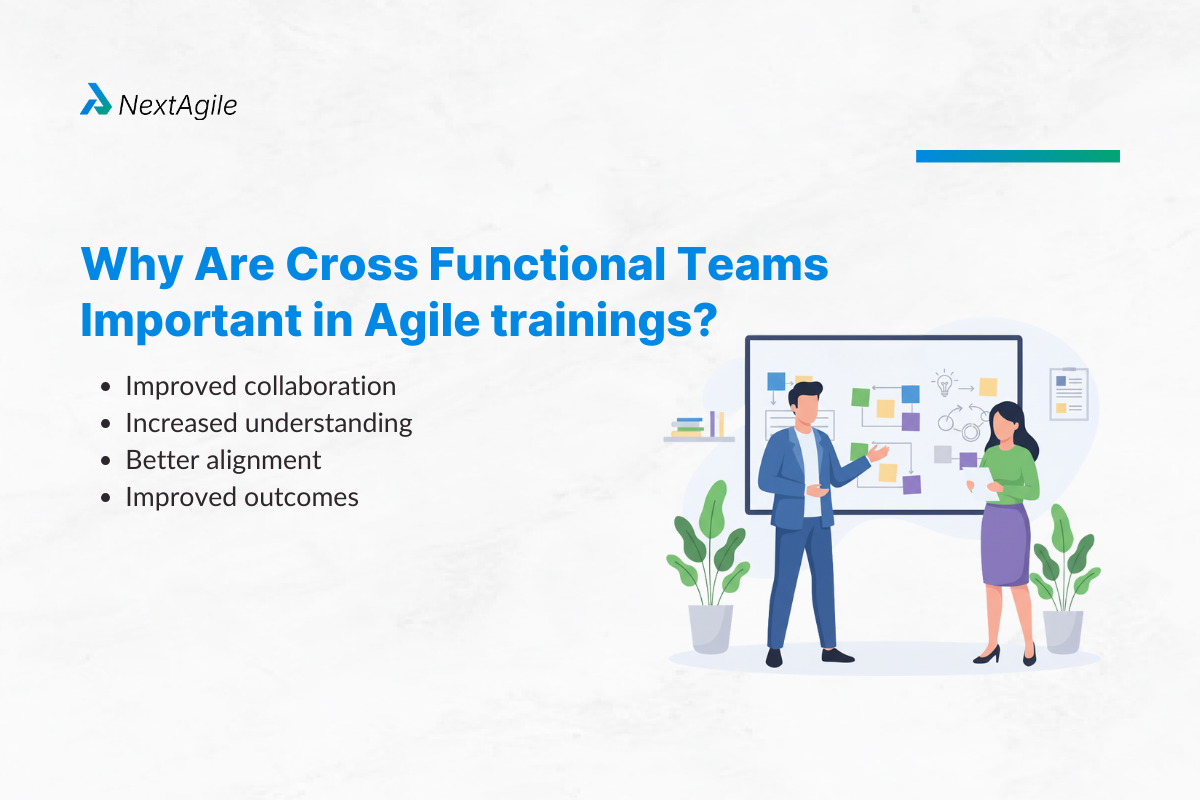
Why Are Cross Functional Teams Important in Agile trainings?
Cross-functional teams play an important role in Agile training as they can provide a diverse range of perspectives and skills that are necessary for successful Agile implementation. In a cross-functional team, members from different departments or functional areas work together to achieve common goals.
In the context of Agile training, a cross-functional team may include members from development, project management, product management, quality assurance, and other relevant functional areas. This diversity of perspectives and skills can help to ensure that the training is relevant and effective for all members of the team.
Here are some benefits of using cross-functional teams for Agile training:
Improved collaboration: Cross-functional teams can encourage collaboration and communication among members, which is critical for successful Agile implementation.
Increased understanding: Members from different functional areas can bring different perspectives and experiences to the training, which can lead to a deeper understanding of Agile principles and practices.
Better alignment: Cross-functional teams can help to ensure that all members of the organization are aligned with the Agile approach and are working towards common goals.
Improved outcomes: Cross-functional teams can lead to better outcomes as they can leverage the skills and perspectives of members from different functional areas to solve complex problems and achieve common goals.
 Skip to content