...

SAFe Transformation for a leading healthcare company across India & US

4X time to market by continuous delivery, business & technology alignment & customer-centricity interventions

CREATE YOUR STORY
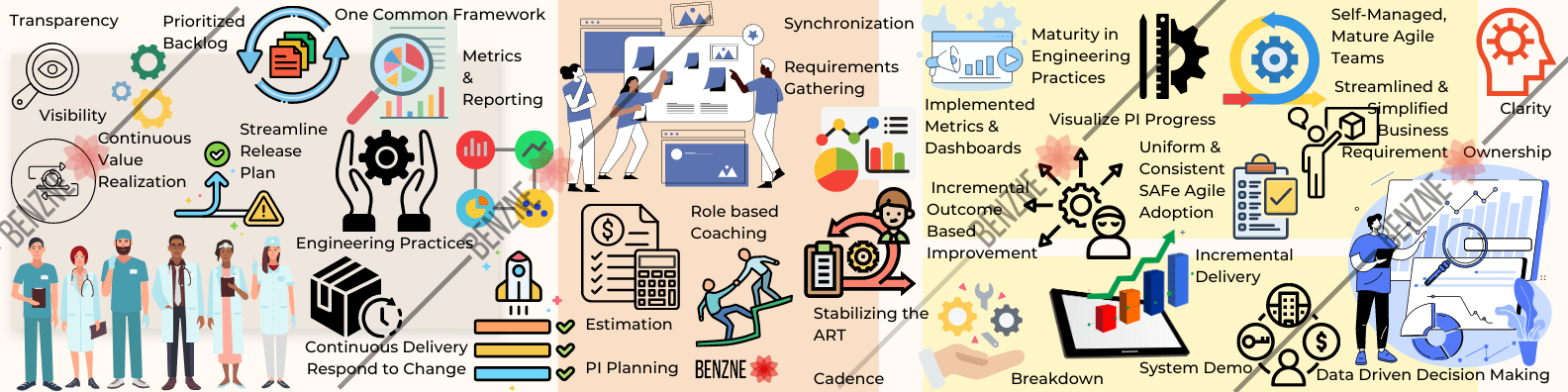
SAFe Transformation in Healthcase case study image

Problem

How to implement agile for healthcare clients?

Our client develops products and programs for healthcare providers, voluntary organizations, educational institutions, hospitals, and the military worldwide.


It is a world leader in healthcare education and resuscitation training, the client empowers lifesavers and healthcare workers, to help them save more lives by using immersive technologies and data-centric insights that can help to increase survival rates and improve healthcare quality.


The company is on a hybrid office operation model post-pandemic and the team is located across the globe. Even though the company is a world leader in healthcare education, they wanted to bring in transparency, visibility and strengthen their development pipeline to achieve continuous delivery and agility in practices to respond to change to stakeholders, customers and consumer’s demand to provide them with the best healthcare products and training to impact more lives. They want a streamline release plan with new features and better learning experiences or most relevant and better knowledge experiences to end customers.


Key Business Demands:


An existing ART was in place with cadence set, there was a challenge of onboarding another ART which was heavily working in a waterfall model


Streamline process: One common framework across multiple teams

Incremental delivery: Continuous value realization

Execution Certainty: Prioritized backlog, transparency, predictability, continuous monitoring and improvements through metrics and reporting Improved collaboration in hybrid teams and overall quality of delivery through best engineering practices aligned with the core business model.

Journey

Started the new ART with a small sized team.Education and awareness creation with SAFe Agile adoption.Stabilizing the ART by implementing best practices for cadence and synchronization with agile teams


Role-based coaching at ART and Team levels was done and additional agile teams were Onboarded additional agile teams within the ART in a span of a few months


Onboarded additional agile teams within the ART in a span of a few months 25+ product and engineering members were coached on agile ways of working.25+ product and engineering members were coached on agile ways of working.Scrum was implemented in the team along with SAFe essential PI experience.


Teams were coached on multiple collaboration tools & techniques.We revisited project management tools and board to leverage maximum impact to experience team and program-level interventions. Teams were also coached on requirements gathering, breakdown, and estimation for PI planning and pre & post PI best practices were introduced to ensure the success of the SAFe Program Increment event. Implemented metrics and dashboards and coached the team on translating and retrospection for continuous improvement. Periodic incremental outcome-based improvement and executive summary updates were shared with leaders on value delivered and PI objective goals.

Outcomes

Uniform & consistent SAFe agile adoption within the organization. Creation and sustenance of self-managed, mature Agile teams Creation and sustenance of self-managed, mature Agile teams>Improved understanding of client centric requirements and estimation of work which impacted the overall clarity, ownership, predictability and release cycles


Teams started demonstrating incremental delivery in the iteration that accelerated the releases, followed by system demo before scheduled release to all stakeholders. Introduction, implementation and maturity in engineering practices like pair programming, automation etc. to improve the productivity and overall product quality


Streamlined and simplified business requirement documentation using functional & technical mindmap, UX wireframe & Mockup, brainstorming and async collaboration. Jira dashboards, ROAM board, Program level roadmap & many more metrics designed to visualize PI progress, quality, risks, dependencies, impediments and others.


Data driven decision making using Jira reports to track work progress, capacity allocation, scope creep, estimation variance and other parameters that helped to succeed PI planning in a better way. Improved collaboration & work visibility across the team through SAFe PI

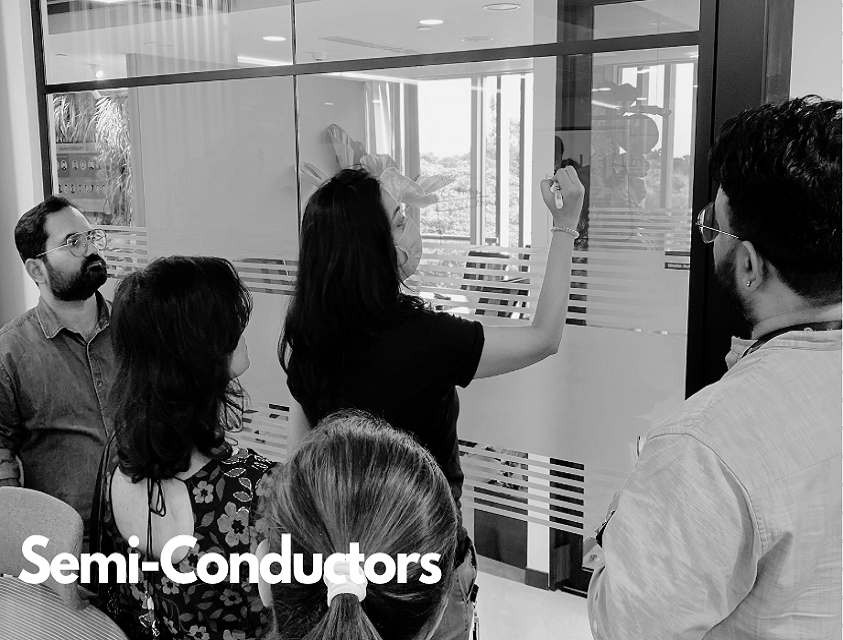
Semi Conductors

Scaling agile led by Spotify Model case study for a leading product engineering & semiconductor firm

Geographically distributed teams struggling to align with customer objectives and cross-culture differences exceeded client expectations in a time bound agile transformation.
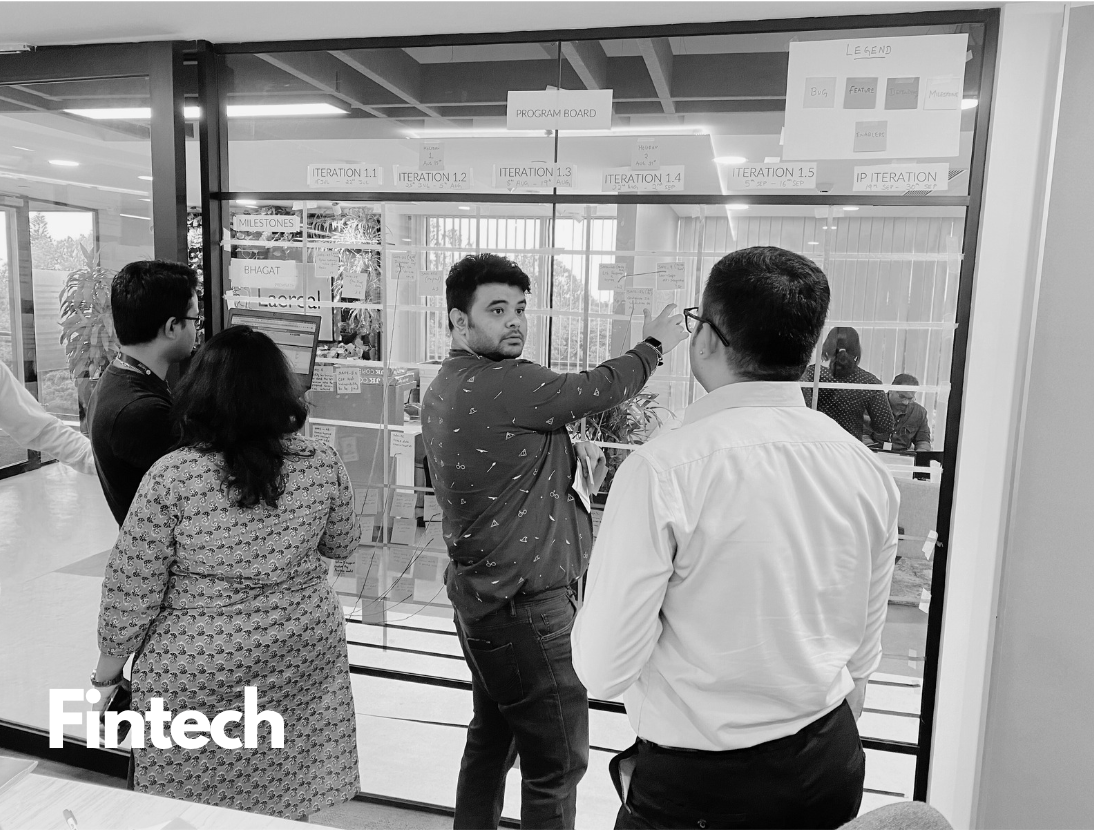
case-study-2-fintech img

Organisational agility for a leading crypto exchange start-up in India

Lowered risks by 48% by harmonising inter-team dependencies, continuous prioritisation and light-weight but high-impact process framework.
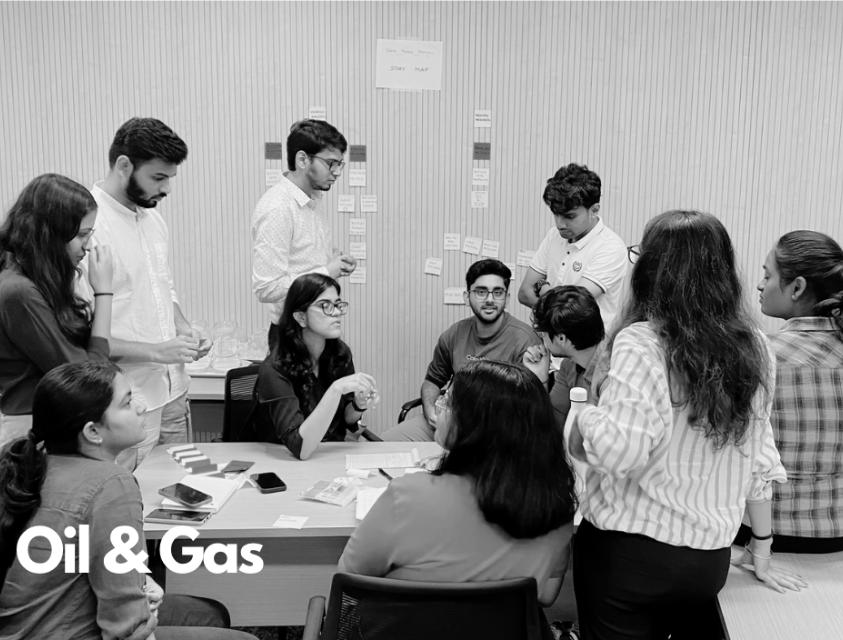
SLB case study

Customized Agile Learning Program for new hires in a Fortune 500 company

Transforming freshers into well-rounded project ready professionals with an agile mindset by integrating learning takeaways with real world projects and applied problem solving.
case-study-3-fmcg img

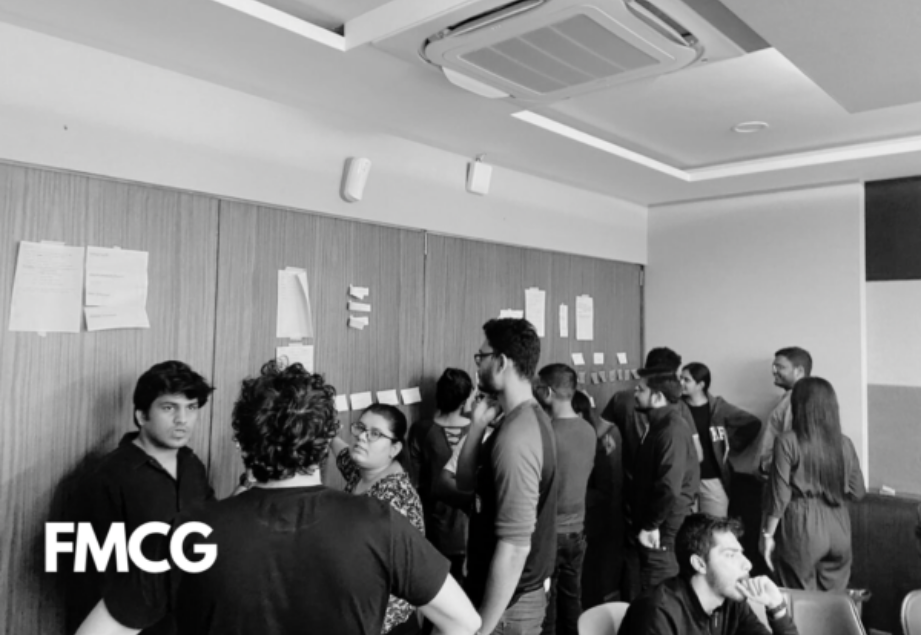
Non IT Agile implementation case study in one of India’s largest FMCG company

Designed and delivered a contextual agile learning program for leadership teams in manufacturing set up.
Case studies - IT Services

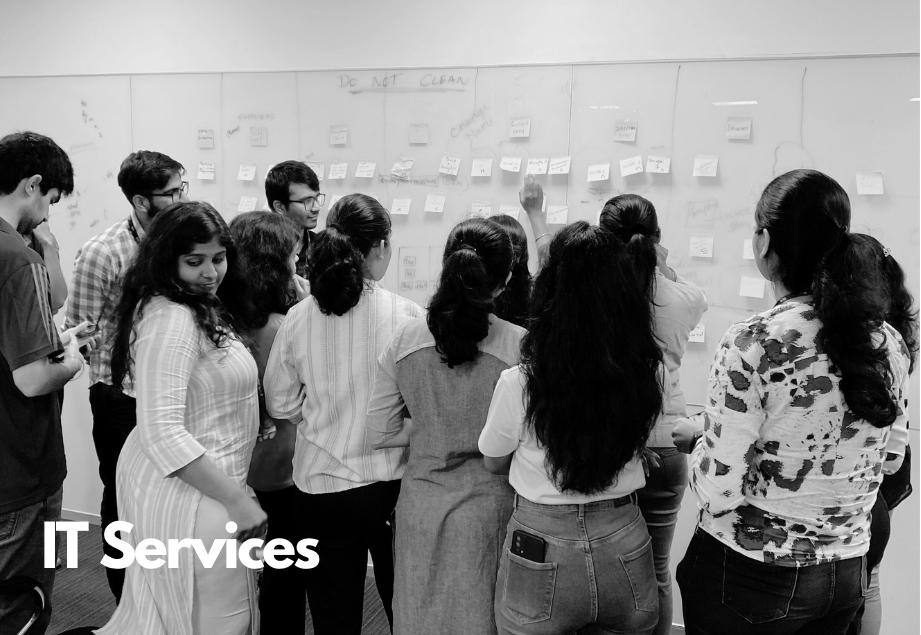
Organisational agility case study for a leading IT services firm

Partnered with leading service company with traditional work from office culture to ramp-up strategy for 100% remote working during peak pandemic with high-impact business contingency plan, continuous client delivery and fruitful collaboration between customer & teams.
Insurance case studies

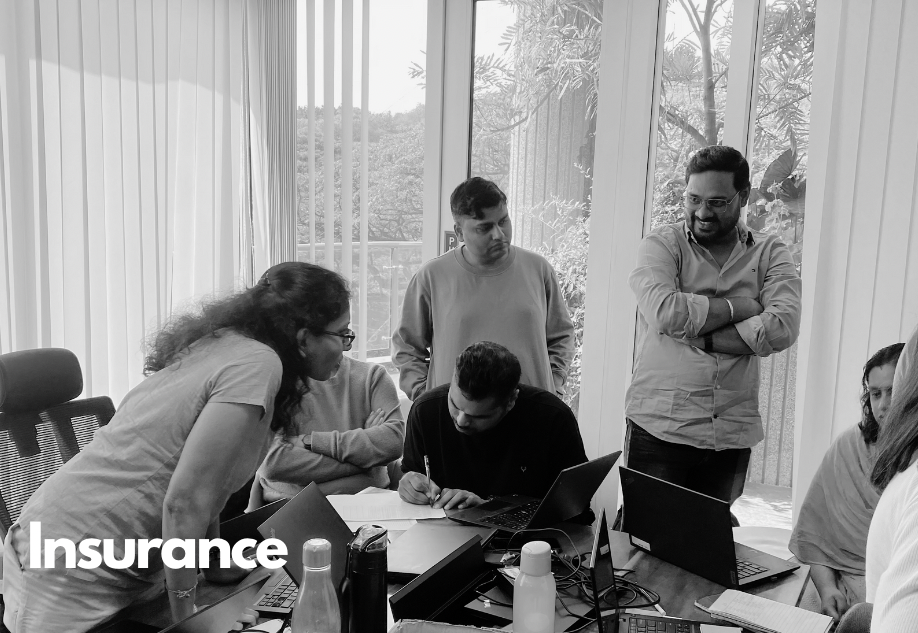
Agile Transformation case study at a major Insurance firm by bringing inter-functions fluidity

Stabilised a business critical program introducing one team mindset and iterative, closed feedback, timeboxing focused agile ways of working.
petrochemical

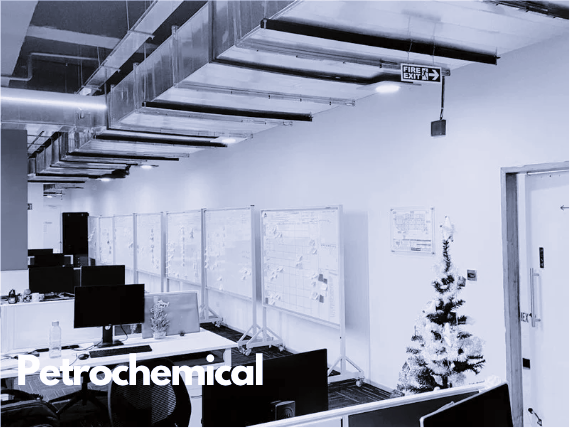
Agile implementation case study from Waterfall to Agile using SAFe as a scaling framework

100% adherence to regulatory requirements in a petrochemical group struggling with legacy code, quality & hierarchical structure
Proptech image

Agile Transformation case study for a UK based PropTech leader using SAFe

Achieving 90% plus DRE, customer delight & a successful funding round in a product company turnaround
CaseStudy004

Business Agility case study for a global leader in payment solutions

On-time delivery with 95% success rate in a business-critical program of 25 teams in an org wide waterfall to agile transformation.

Struggling with Agile Adoption?

Set up a quick exploratory call with our team

Enterprise Agility in Healthcare

Scaling Agile using SAFe to Strengthen Delivery Predictability and Engineering Excellence in a Global Healthcare Organisation

Client Overview

The client is a global leader in healthcare education and resuscitation training, serving healthcare providers, hospitals, voluntary organisations, educational institutions, and military agencies worldwide. Their products, programs, and immersive learning technologies are used by lifesavers and healthcare workers to increase survival rates and improve clinical quality.

With teams distributed across geographies and operating in a post-pandemic hybrid model, the organisation sought to strengthen transparency, visibility, and delivery flow across their product development pipeline. Their leadership aimed to achieve continuous delivery, enhance responsiveness to stakeholders, and provide consistently improved learning experiences to end users.

Business Challenges

NextAgile executed a structured SAFe adoption and coaching journey tailored for a global, hybrid, healthcare-focused product organisation.

Fragmented Delivery Structure

Existing ART operated smoothly, but integrating a new waterfall-oriented ART disrupted cadence and alignment.

Inconsistent Practices Across Teams

Absence of a unified framework led to fragmented processes and uneven delivery outcomes.

Need for Stronger Incremental Delivery

Teams required improved mechanisms to deliver value continuously and accelerate customer-focused feature rollout.

Low Visibility into Priorities and Quality

Inconsistent tooling and dashboards limited transparency in prioritisation, quality tracking, and release planning.

Collaboration Gaps in Hybrid Teams

Distributed teams needed better engineering practices, communication rhythms, and coordination mechanisms.

Leadership Need for Predictability and Insight

Executives required clearer metrics, reporting, and improvement cycles to support data-driven decisions.

Our Approach

NextAgile executed a structured SAFe adoption and coaching journey tailored for a global, hybrid, healthcare-focused product organisation.

  • Reviewed existing ART performance, workflow patterns, and release processes to diagnose systemic bottlenecks.
  • Identified challenges in cross-team collaboration, backlog readiness, estimation, and documentation standards.
  • Assessed gaps in tooling usage, engineering practices, and SAFe event maturity across teams.
  • Established a common Agile and SAFe-aligned delivery framework across both ARTs.
  • Defined standard processes for PI Planning, backlog management, cadence synchronisation, and release governance.
  • Designed artefact guidelines for requirement breakdown, functional/technical documentation, UX workflows, and estimation.
  • Launched a new ART with a small initial team and stabilised it through SAFe Essential practices.
  • Conducted role-based coaching for Product Owners, Scrum Masters, RTE, and engineering teams.
  • Successfully onboarded additional teams into the ART within months, eventually coaching 25+ product and engineering professionals.
  • Implemented Scrum across teams and matured their PI experience through hands-on coaching.
  • Enhanced collaboration via improved usage of project management tools, Agile boards, async communication norms, and structured team events.
  • Implemented metrics and dashboards to track flow, quality, capacity allocation, estimation variance, and work progress.
  • Introduced Jira dashboards, ROAM boards, program-level roadmaps, and reporting templates to visualise risks, dependencies, impediments, and PI progress.
  • Enabled data-driven decision making through regular translation and retrospection of metrics.
  • Standardised system demos, iteration reviews, and outcome-based reporting for leadership.
  • Coached teams on engineering excellence practices including automation, pair programming, and quality-first principles.
  • Simplified business requirement documentation using mind maps, UX wireframes, mockups, and structured discovery techniques.
  • Strengthened pre-PI, PI, and post-PI planning practices to ensure predictable execution.
  • Shared periodic executive summaries highlighting value delivered, PI objectives achieved, and continuous improvement opportunities.

Impact & Outcomes

Within a few months, the organisation achieved measurable improvements in delivery rhythm, team maturity, and operational transparency:

Unified SAFe Adoption

Unified SAFe Adoption

Standardised practices created stable cadence, predictable execution, and stronger governance across all teams.

Mature, Self-Managed Teams

Mature, Self-Managed Teams

Teams developed higher ownership, accountability, and clarity on customer needs, improving overall delivery confidence.
Agile and product delivery enablement

Improved Incremental Delivery

Reliable iteration-based delivery enabled faster releases and more frequent, value-driven system demos.

Enhanced Engineering Excellence

Enhanced Engineering Excellence

Automation, pairing, and modern engineering practices boosted productivity and elevated product quality.
Streamlined Requirements Flow

Streamlined Requirements Flow

Structured documentation and collaboration tools improved clarity, alignment, and end-to-end workflow efficiency.
Team performance uplift

Data-Driven Execution & Alignment

Metrics across ARTs improved capacity tracking, scope visibility, flow performance, and cross-team alignment during PI Planning.

Testimonial

"Client leadership acknowledged that NextAgile’s structured, role-based coaching and unified Agile operating model enabled seamless remote delivery, improved predictability, and strengthened collaboration with customers. They emphasised that the transformation built internal capability that continues to scale across teams and portfolios."

Ready to Transform Your Agile Journey?

If you are navigating Agile adoption in a global, distributed, or highly regulated domain such as healthcare, education, or MedTech, NextAgile can help you scale predictability, flow, and delivery excellence.


error: Content is protected !!
Scroll to Top